
Fishing Insights
Practical explanations of the condition concepts StrikeTracks already uses — written for anglers, not as a substitute for local judgment, regulations, or safety. Articles cover Rivers, Lakes, Coastal, Offshore, Conditions, and Trip planning.
How these articles are written
Fishing Insights is publisher-authored by the StrikeTracks Editorial Team. The pieces combine authoritative public sources — including the U.S. Geological Survey, NOAA, and the National Weather Service — with StrikeTracks’ own condition-product knowledge. They are not named-guide field reports, not community tips, and not a guarantee of fishing success or safe access.
Offshore
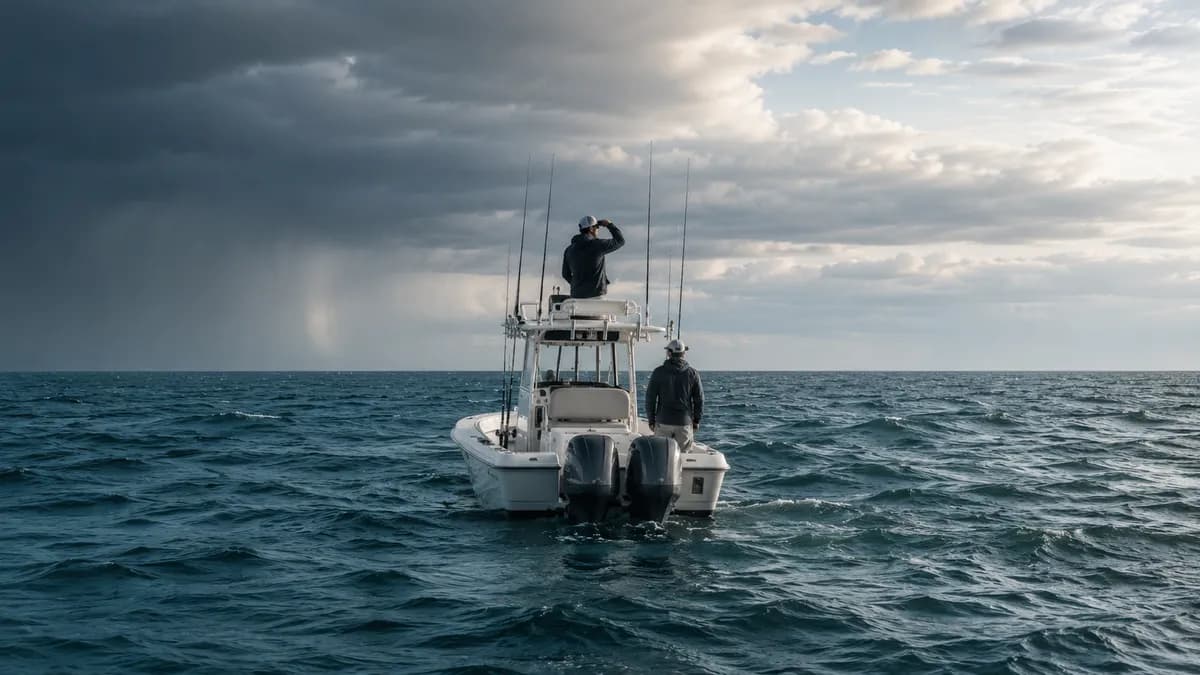
How to Read Offshore Marine Conditions Before a Fishing Trip
What the Marine Conditions section on a StrikeTracks Offshore page tells you — official forecasts, observations, and alerts as planning context — and why those signals are not a fishing-condition rating.
5 min read
Rivers
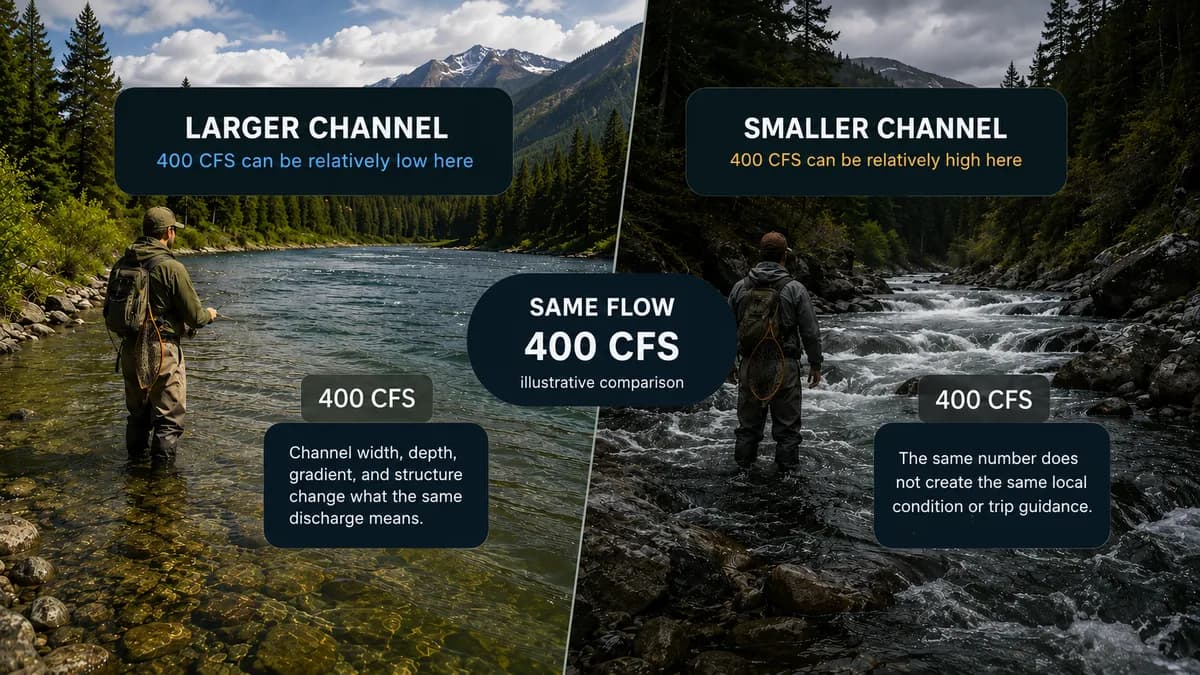
Why Two Rivers With the Same CFS Can Get Different StrikeTracks Guidance
Cubic feet per second is a volume through a channel, not a universal fishing grade. Two real StrikeTracks rivers show why copying a “good CFS” from one water to another is a planning error.
2 min read
Rivers
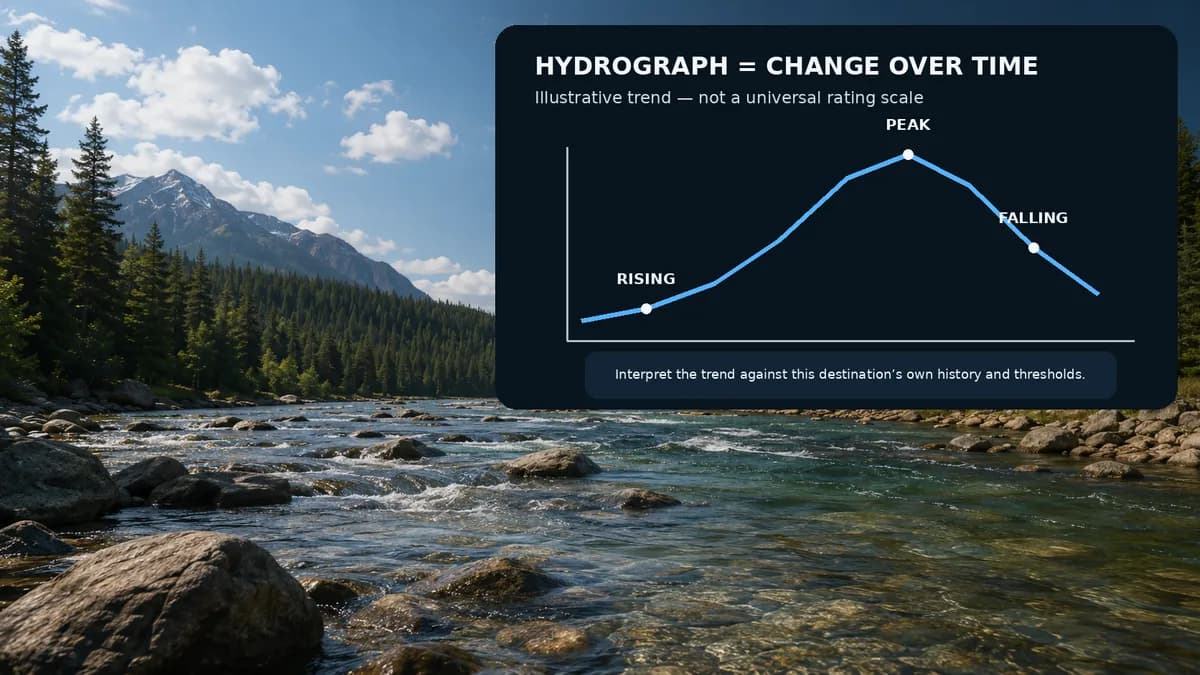
How to Read a StrikeTracks River Hydrograph for an Actual Trip
A hydrograph is a history, not a single tick. Using Swift River at West Ware, this article separates latest discharge from trend, and fishing suitability from wading safety.
2 min read
Trip planning
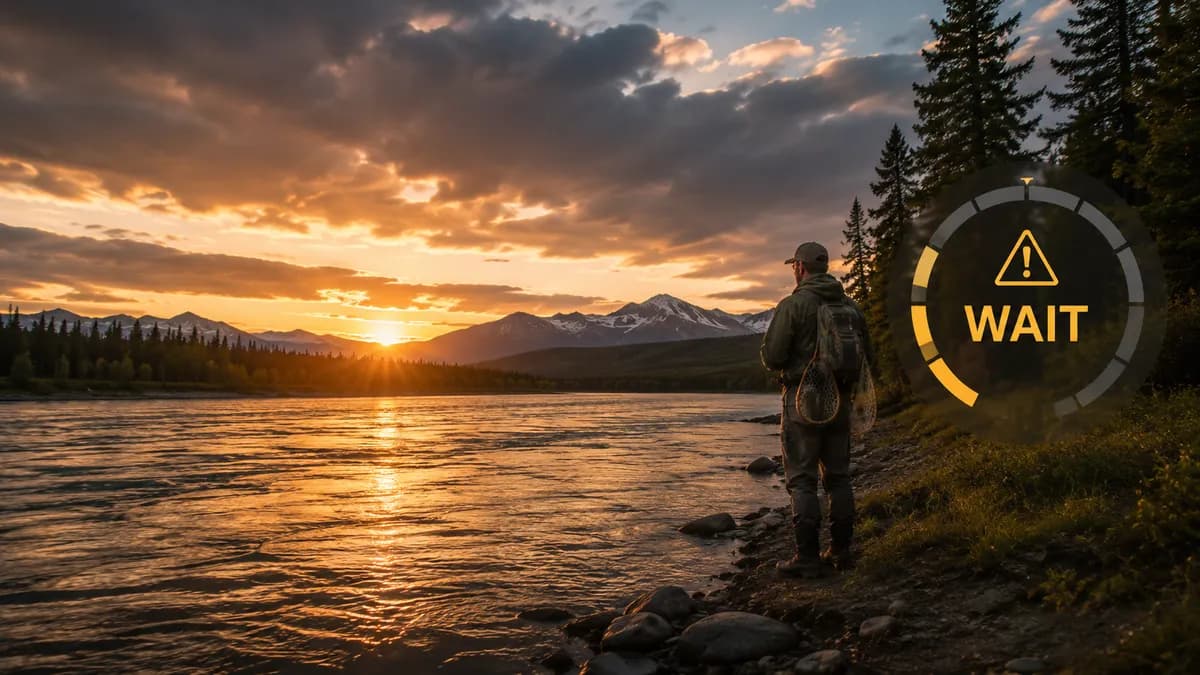
When StrikeTracks Says Wait Even Though the Sky Looks Perfect
Clear weather is not a fishing-condition all-clear. A labeled catalog example on Swift River at West Ware shows why trip guidance can still say Wait or Do Not Go.
2 min read
Conditions
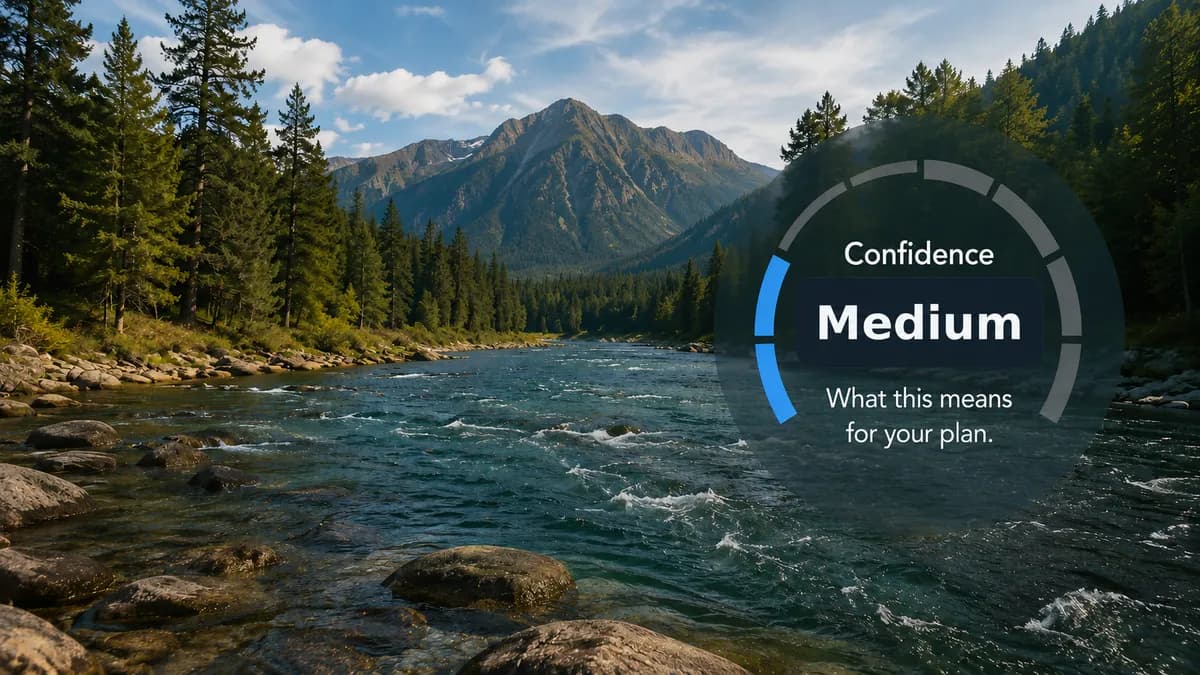
What StrikeTracks Confidence Actually Means
High, Medium, and Low confidence describe evidence quality — not how good the fishing is, and not whether you should wade. Here is how those public labels work, without a hidden scoring rubric.
2 min read
Conditions
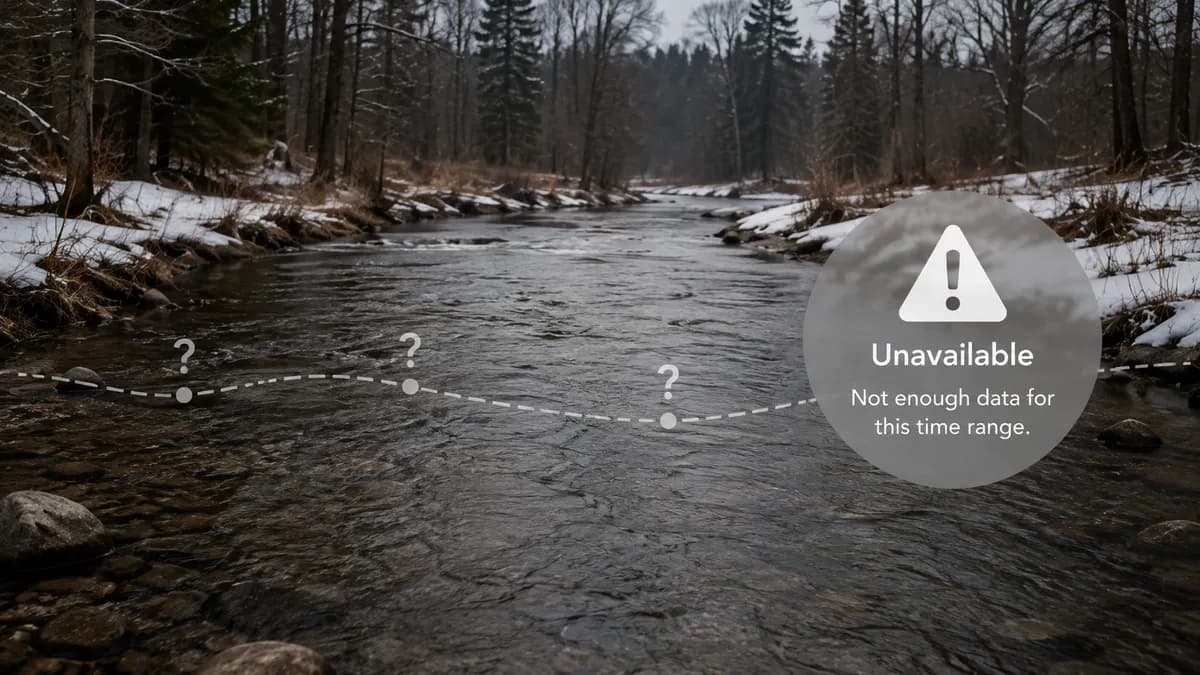
Why StrikeTracks Shows Unavailable Instead of Inventing a Rating
Unavailable means insufficient evidence, not Poor fishing. Real river and lake examples show why StrikeTracks abstains rather than remapping a nearby station or guessing.
2 min read
Coastal
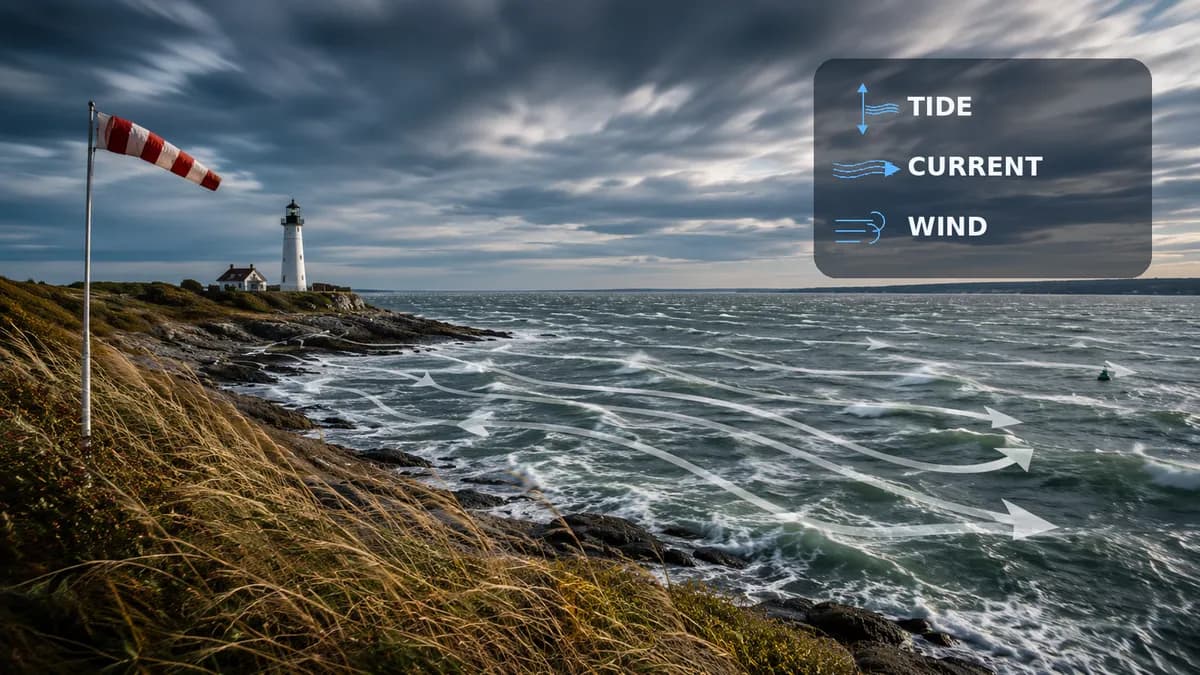
Tide, Current, and Wind at a Real Coastal Destination
Boston Harbor and Islands shows how StrikeTracks keeps tide level, tidal current, wind, and nearby waves on separate hooks — and why none of them guarantee a fish.
2 min read
Trip planning
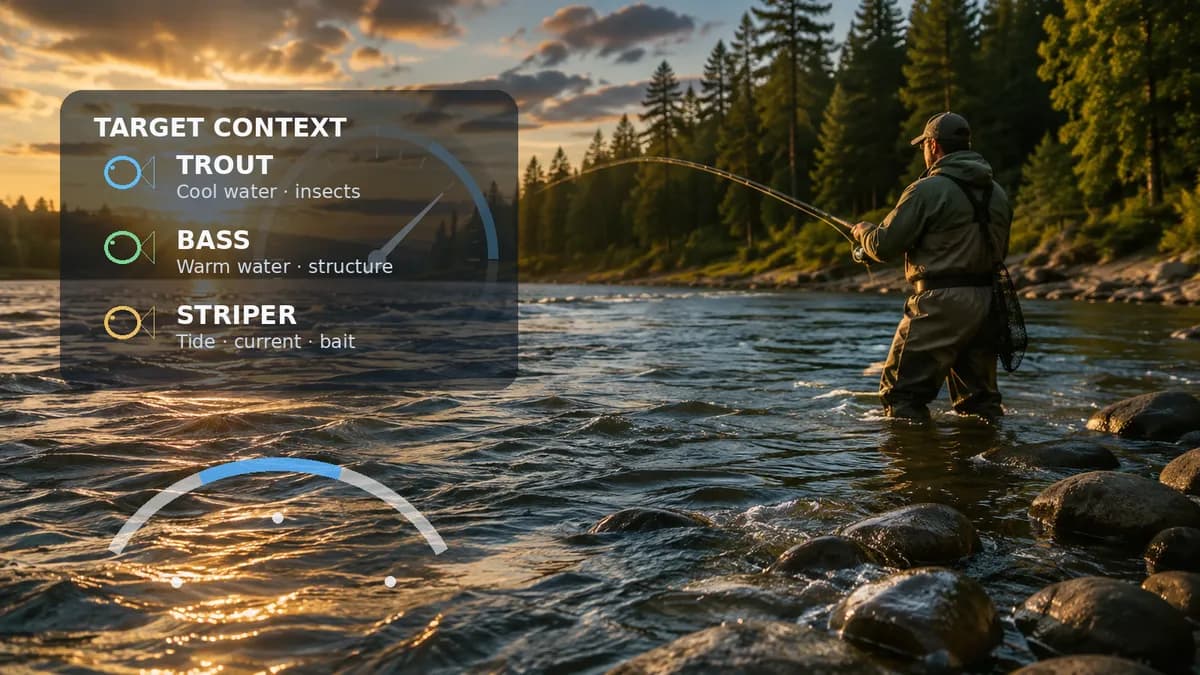
How Fishery Targets Change What a “Good” Window Means
Environmental conditions are not the whole fishing decision. Trout on the Swift, bass on the Charles, and harbor-island stripers show how targets change planning without rewriting condition science.
2 min read
Conditions
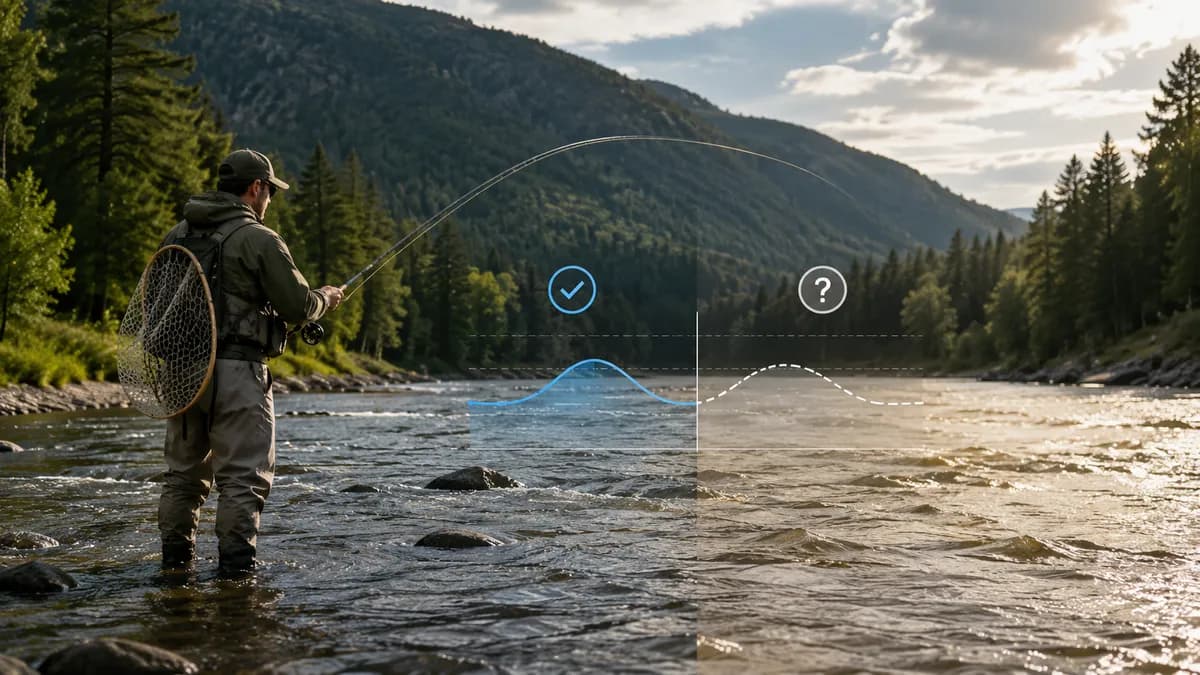
Monitoring-Backed vs. Estimated Fishing Conditions: What’s the Difference?
StrikeTracks uses two different evidence classes for fishing conditions. Here is what each one means, why they are not interchangeable, and how to read them honestly.
4 min read
Rivers
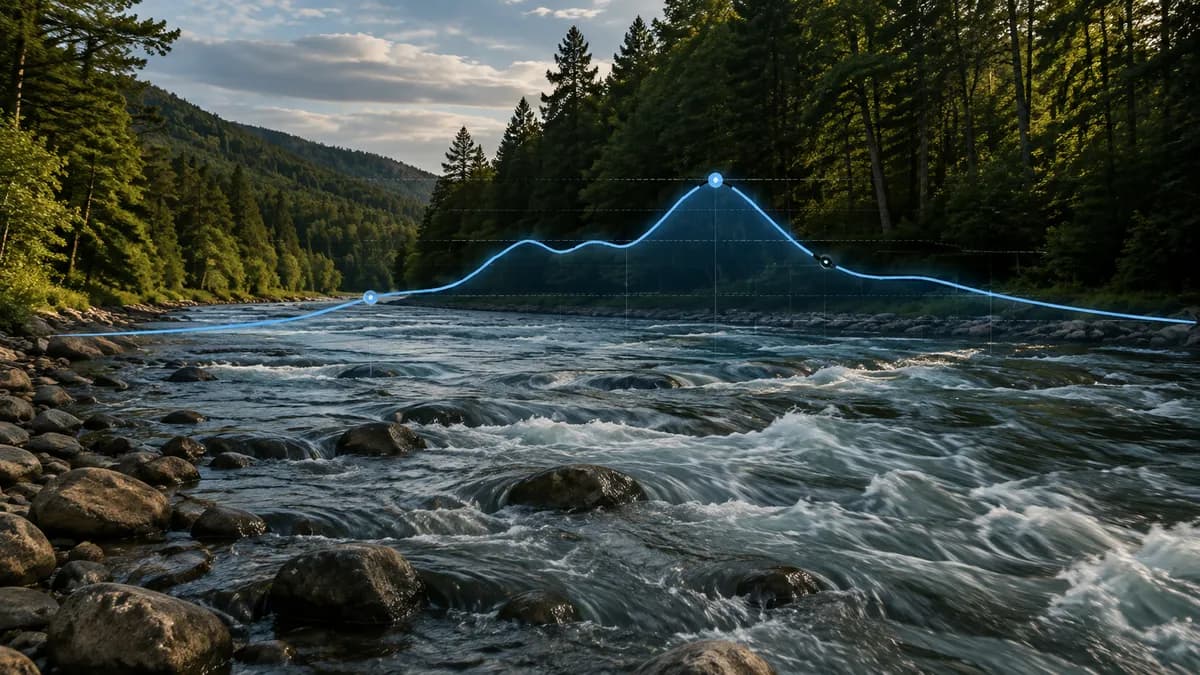
How River Flow Affects Fishing Conditions
Flow changes how a river fishes, how it looks, and how safely you can enter it. This article explains discharge in angler terms and how StrikeTracks uses destination-specific flow context.
3 min read
Rivers
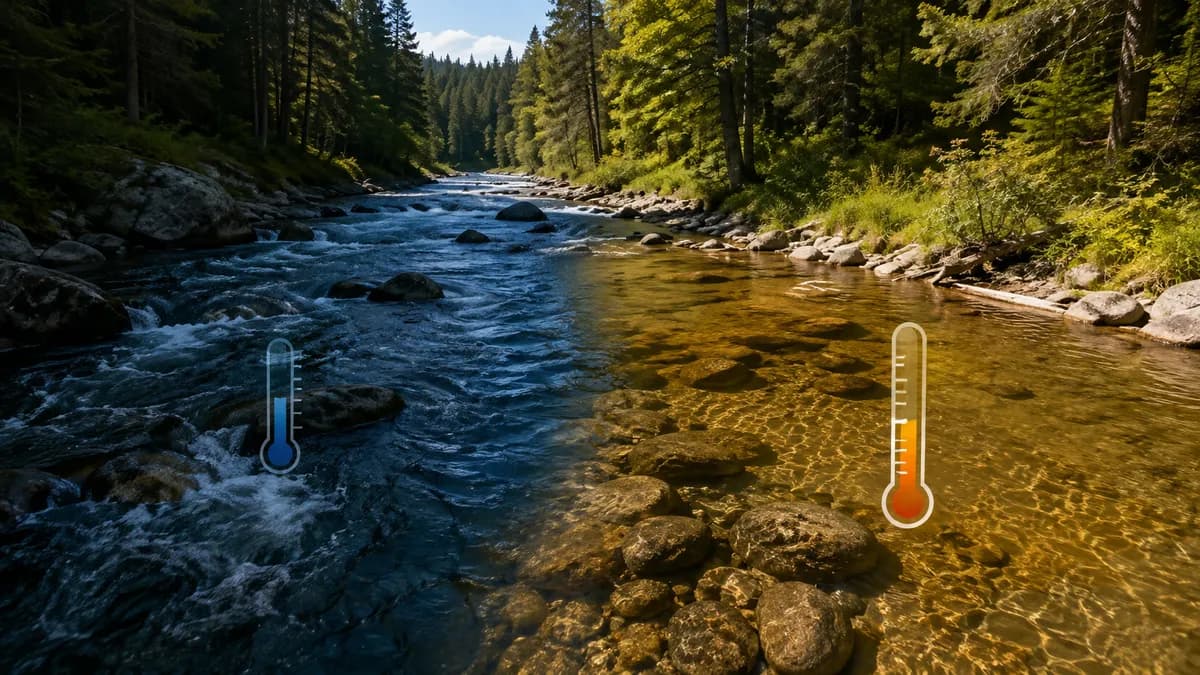
How Water Temperature Affects Trout Fishing
Trout are coldwater fish, but species, life stage, and local water all matter. Learn what temperature changes in a stream, what it does not prove, and how StrikeTracks presents thermal context.
3 min read
Rivers
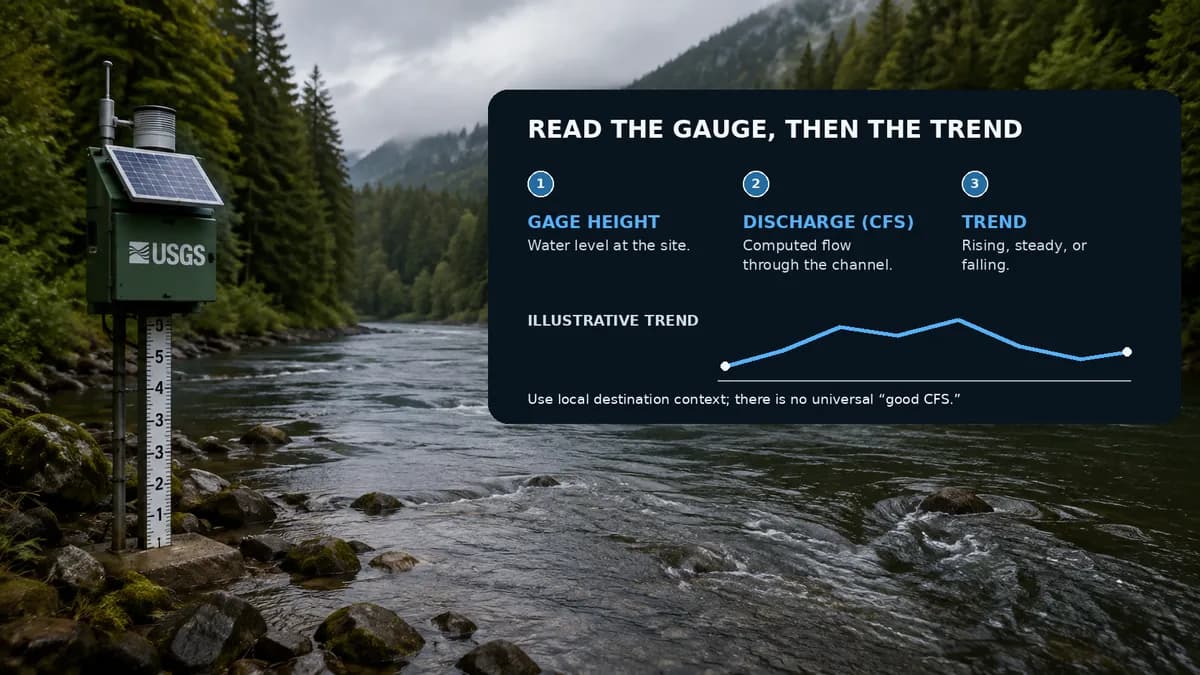
How to Read a USGS Stream Gauge for Fishing
USGS streamgages report water level and often compute discharge. Learn what gage height, flow, and temperature mean for trip planning — and what they never tell you by themselves.
3 min read
Coastal
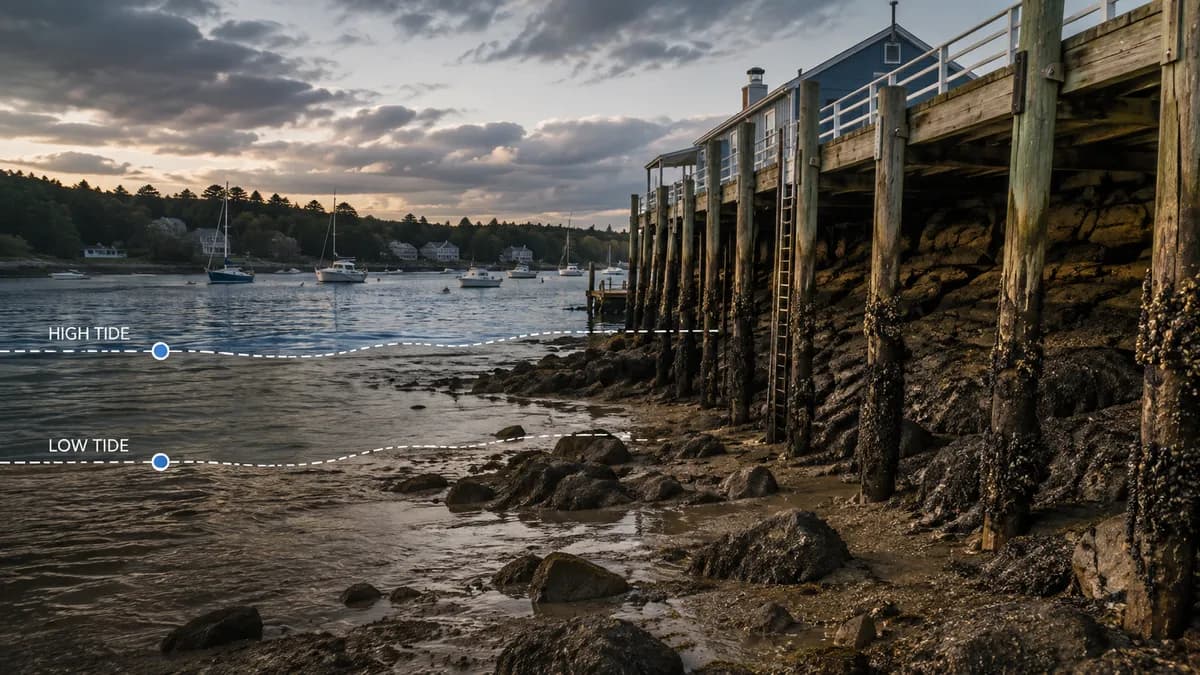
How Tides Affect Coastal Fishing
Tides change water height; tidal currents change how water moves. NOAA is the U.S. authority for predictions. Here is what that means for anglers and how StrikeTracks presents coastal tides.
3 min read
Coastal
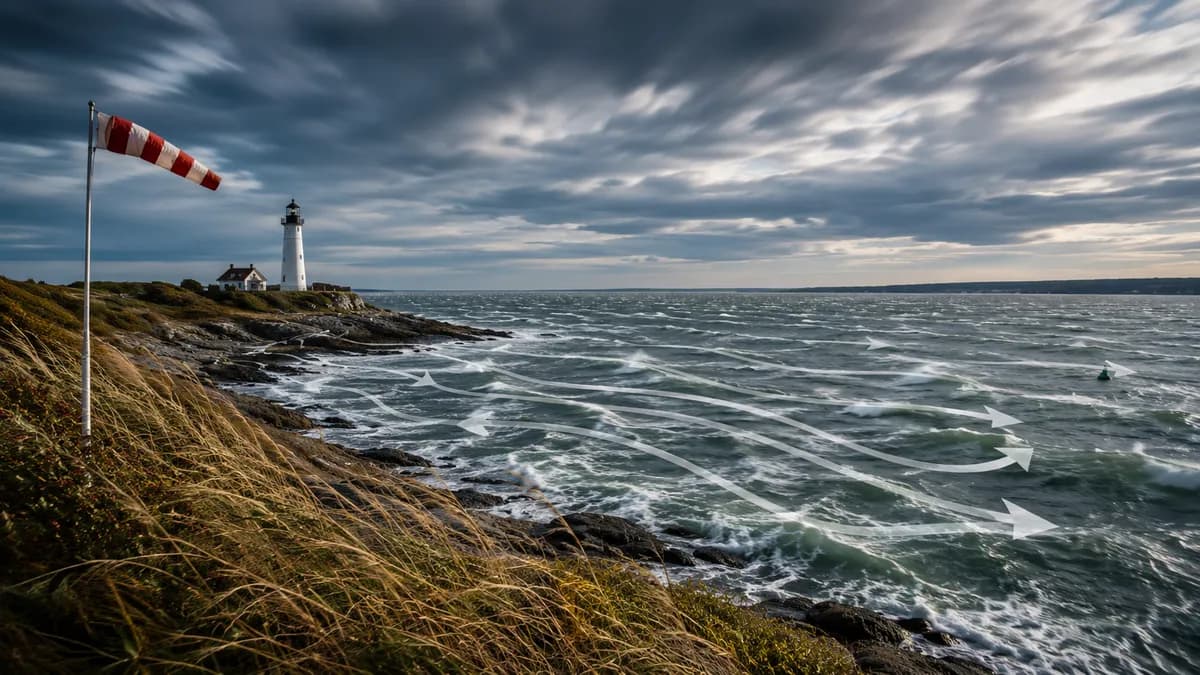
Wind and Coastal Fishing: What Anglers Should Watch
Wind changes waves, boat control, and how water moves near shore. National Weather Service marine products are the place to start — and they are not a fishing-success forecast.
2 min read
Lakes
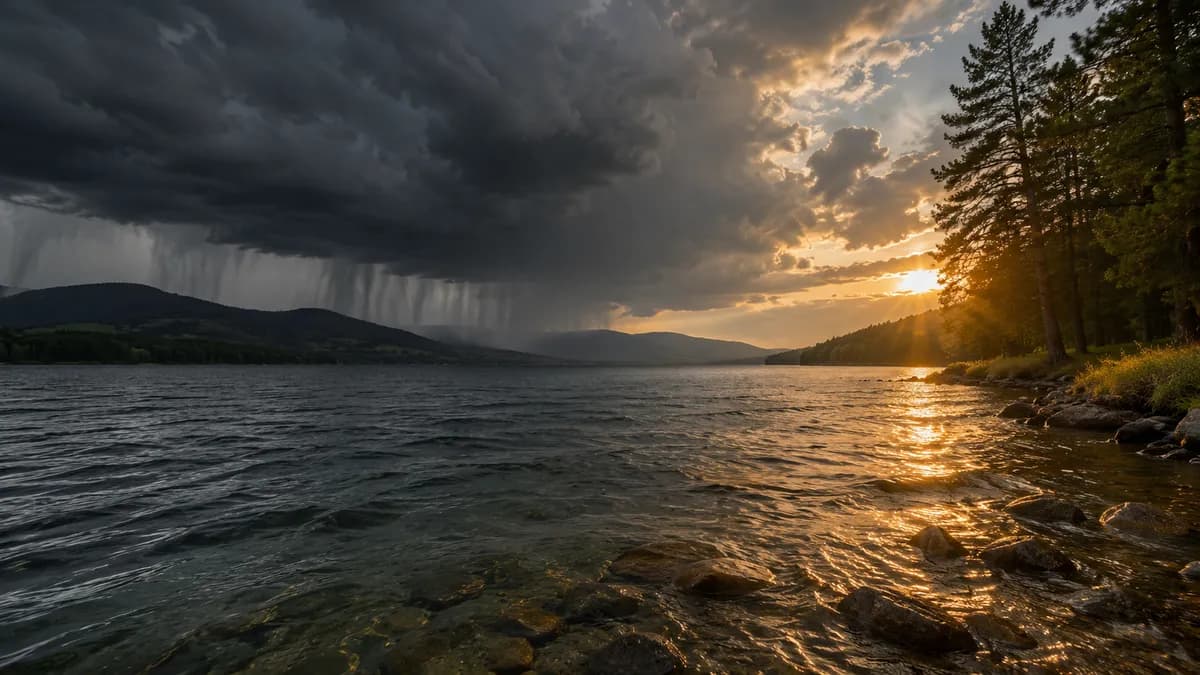
How Weather Affects Lake Fishing Conditions
Air temperature, wind, clouds, and rain change a lake’s surface quickly. They do not replace water-column physics, and they do not make every lake equally observable.
2 min read
Conditions
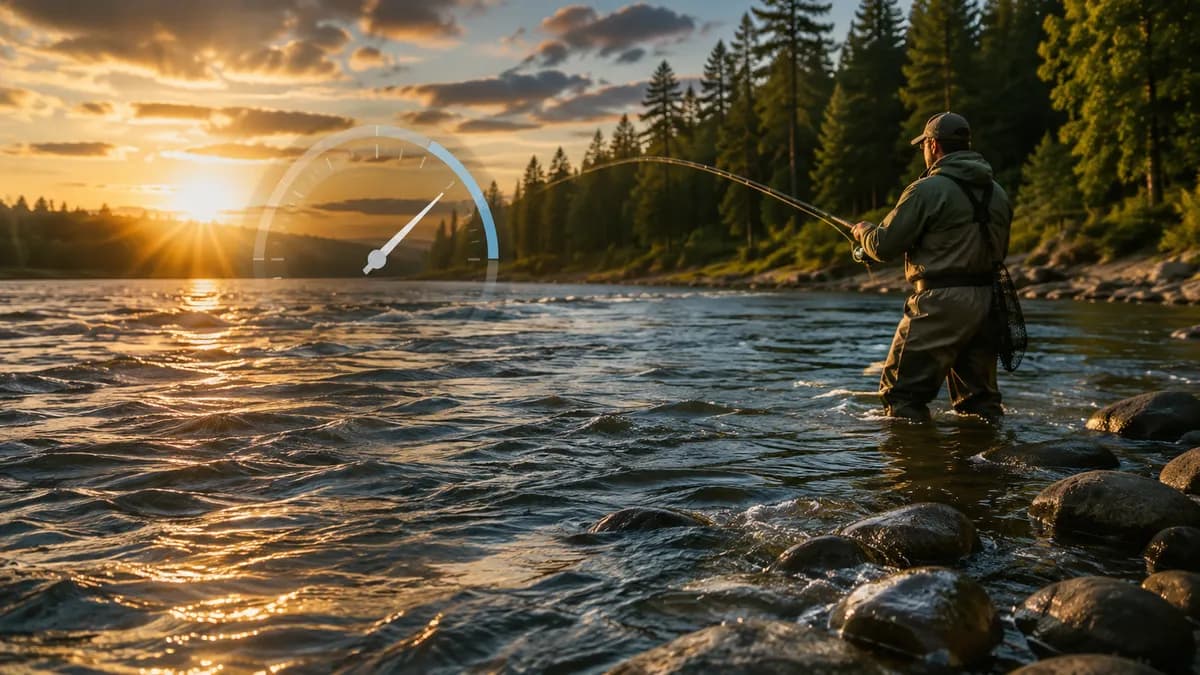
What Makes a Fishing Window “Good”?
A good window is a planning judgment under uncertainty — not a promise that fish will eat. StrikeTracks ratings and Should I Go are decision support built from destination-specific evidence.
3 min read
Rivers
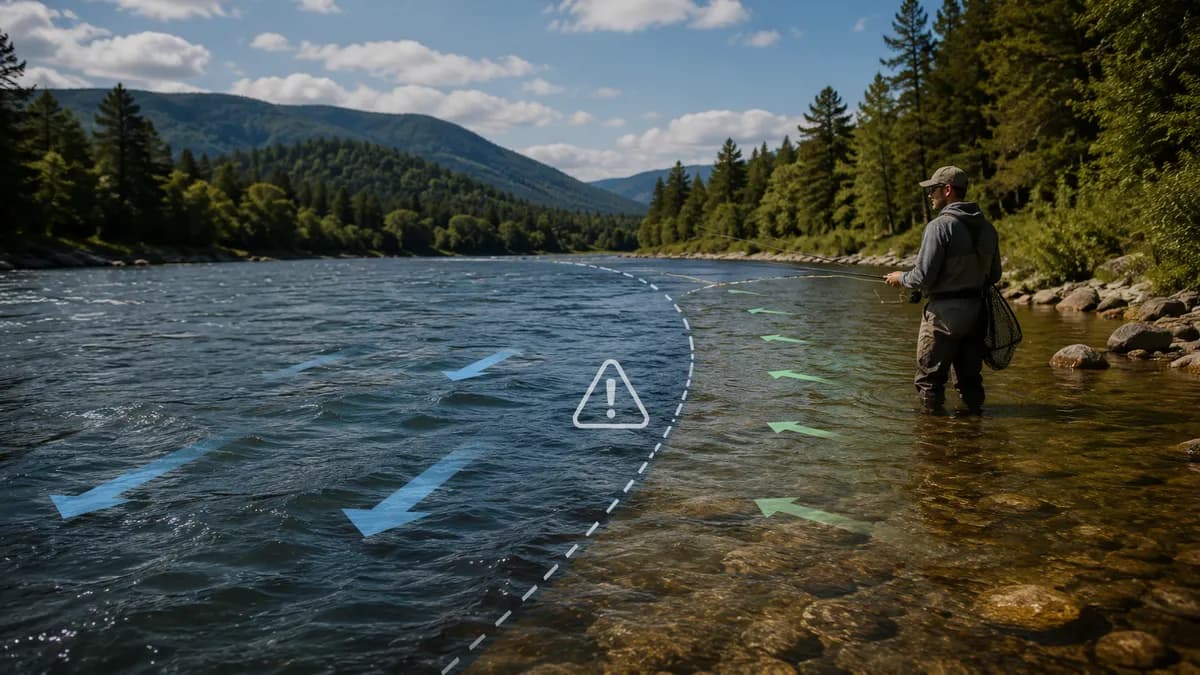
Wading Conditions vs. Fishing Conditions
A river can fish well and still be a poor idea to wade. StrikeTracks keeps fishing suitability and hydrologic or wading safety as separate questions — and so should you.
3 min read
Trip planning
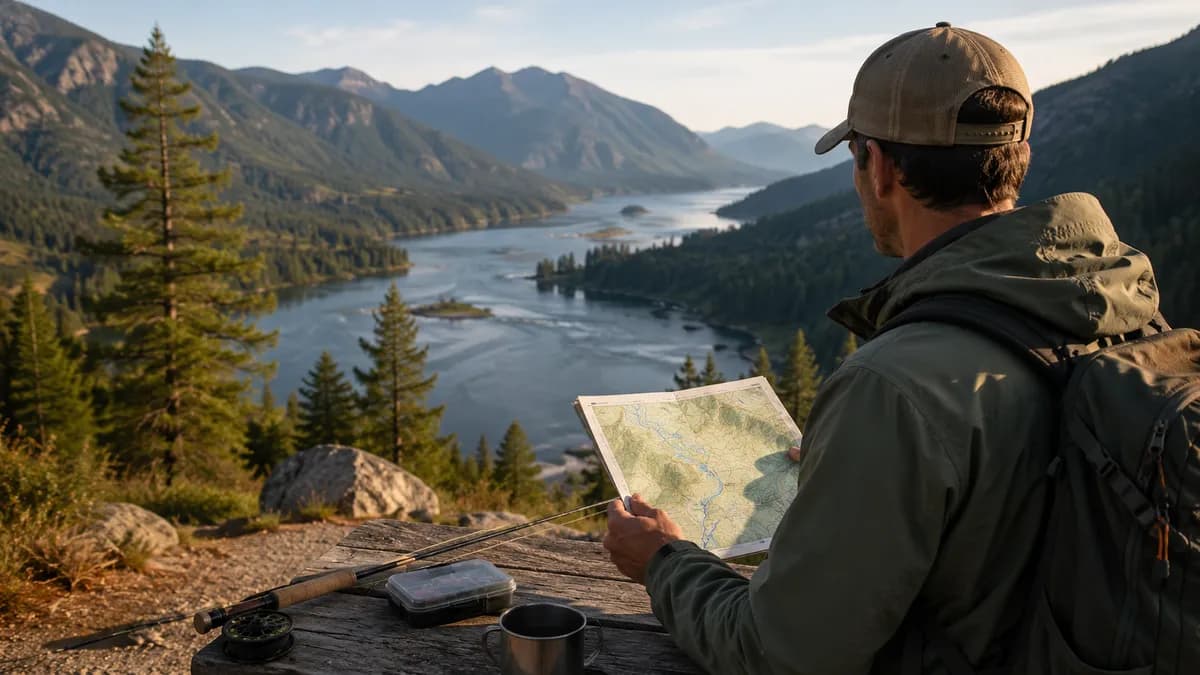
How to Use StrikeTracks to Plan a Fishing Trip
A practical walkthrough of Explore, destination pages, evidence classes, and trip guidance — without treating StrikeTracks as a guarantee of success or safe access.
3 min read
Trip planning
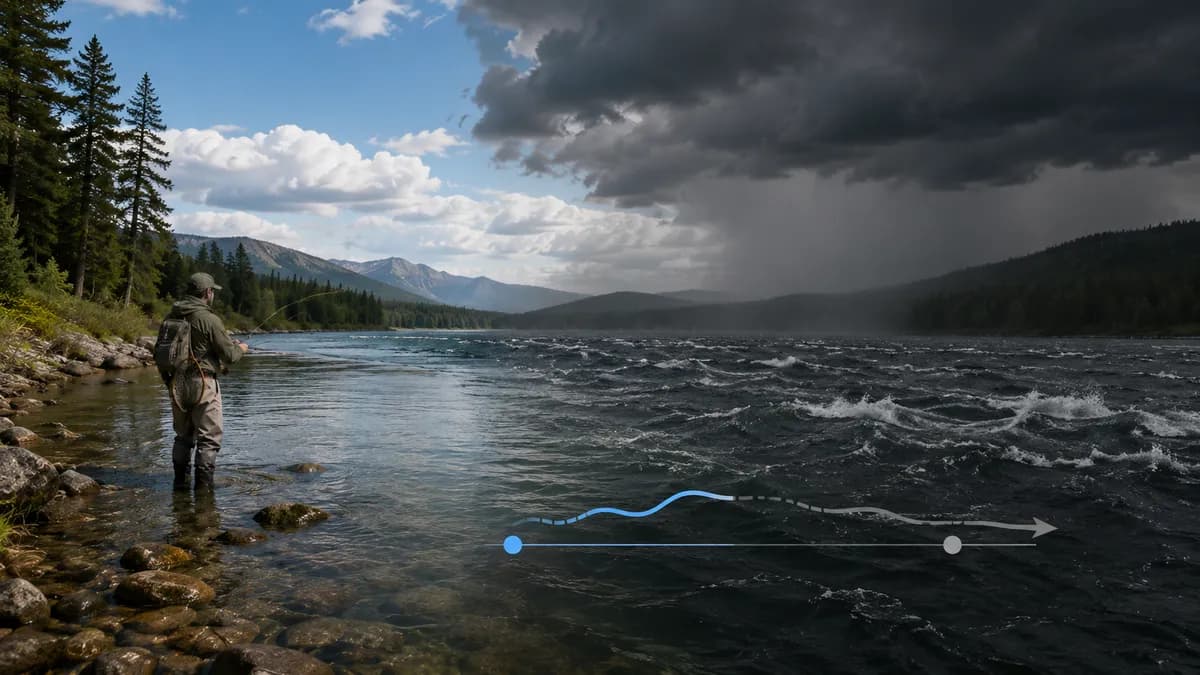
Reading a Fishing Forecast: What Weather Data Actually Tells You
A weather forecast describes the atmosphere. It does not measure river flow, lake temperature at depth, or whether fish will feed. Here is how to use forecast fields without translating them into a bite report.
2 min read
Conditions
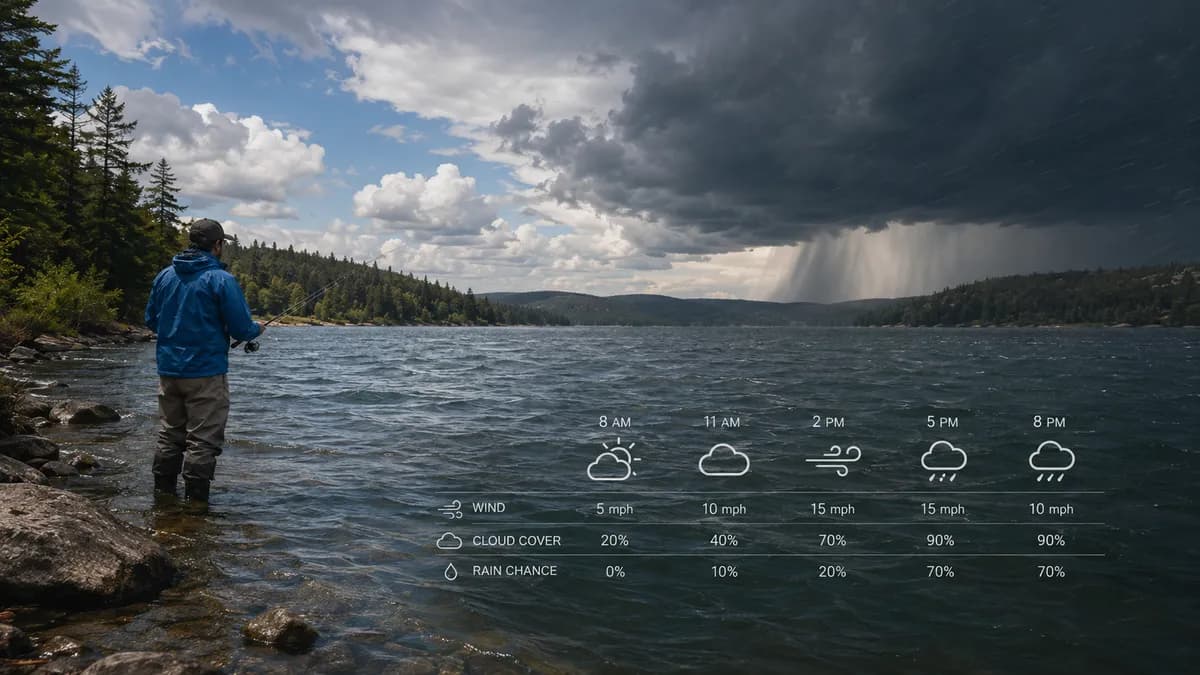
Why Fishing Conditions Can Change So Quickly
Rivers rise on a delay, wind builds waves in hours, and tides turn on a clock. A morning snapshot is not a day-long guarantee — on StrikeTracks or on the water.
2 min read
Rivers
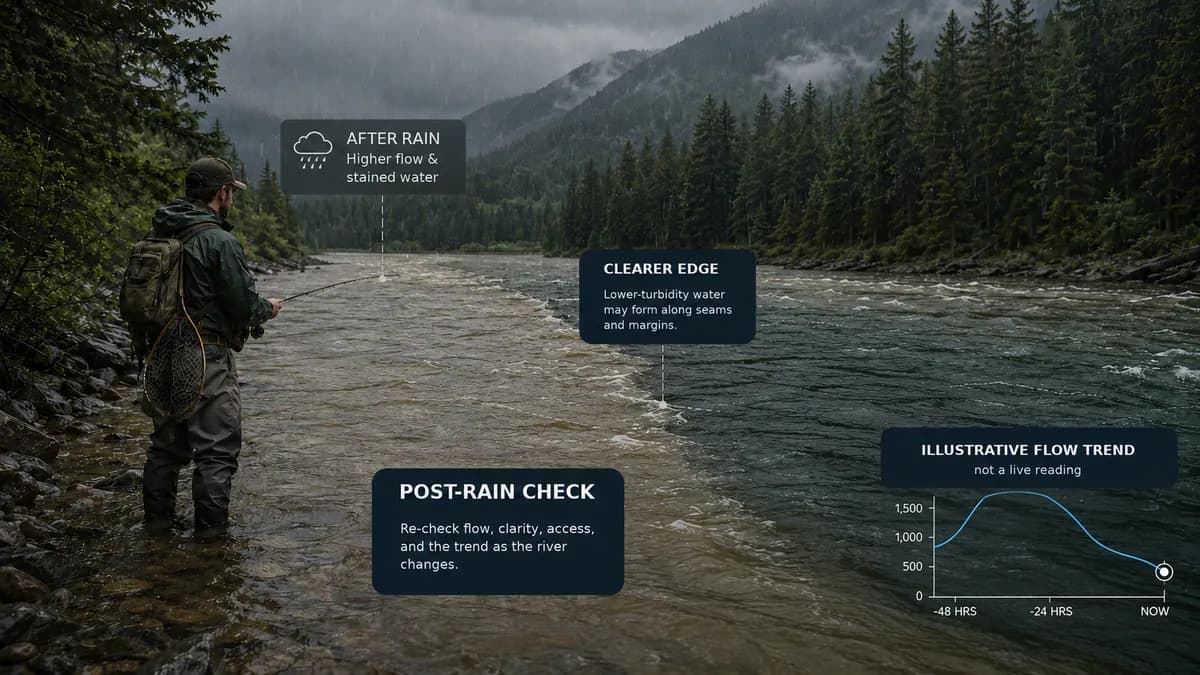
Fishing After Rain: What River Anglers Should Check First
Rain can improve a river, ruin a river, or make it dangerous — sometimes all three on the same drainage. Check safety and the hydrograph before you tell yourself a story about the bite.
2 min read
Lakes
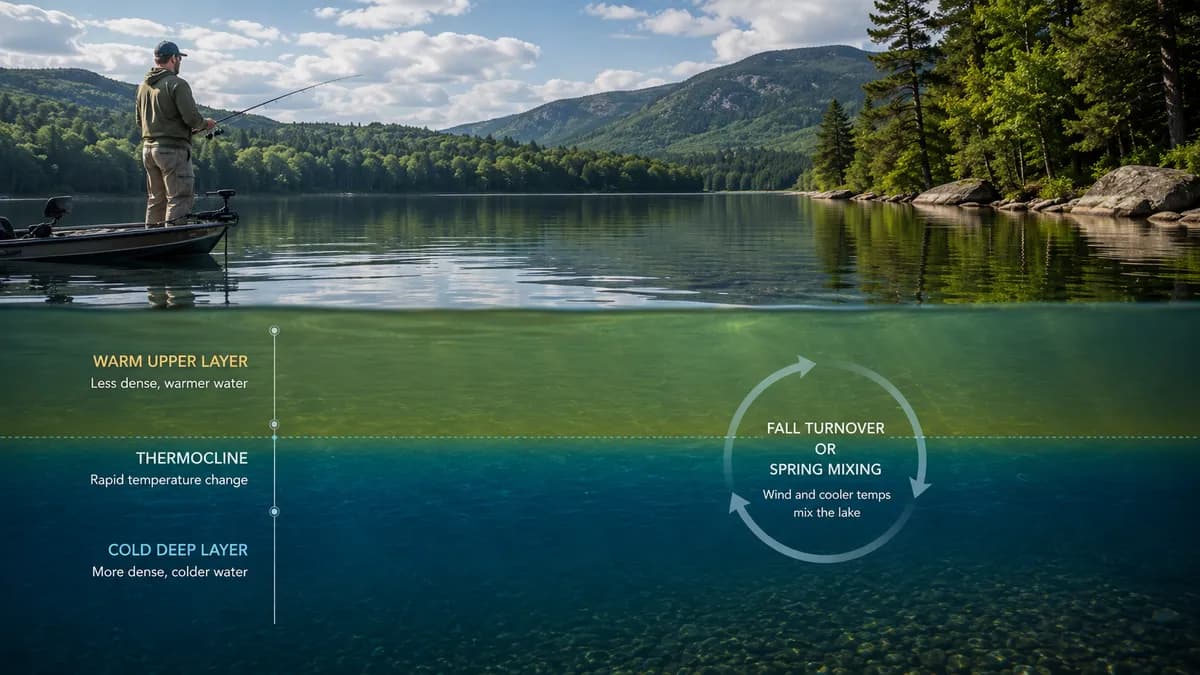
Understanding Lake Turnover and Seasonal Fishing Conditions
Many lakes stratify in summer and mix when surface and deep water approach the same density. Turnover is real physics — not a StrikeTracks rating, and not a rule that every pond “turns” on the same week.
2 min read
Coastal
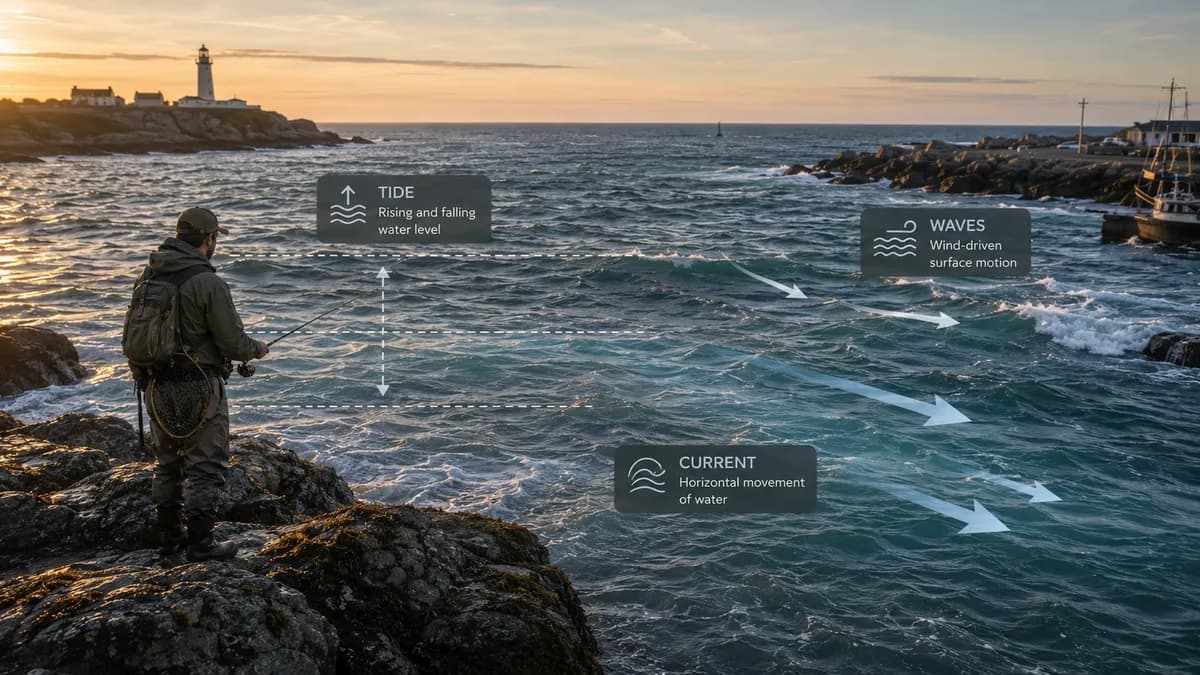
Tide, Current, and Waves: Three Different Coastal Fishing Signals
Tide is water level. Current is water moving sideways. Waves are mostly wind acting on the surface. Mixing the three into one “the ocean is up” sentence hides the information that actually changes a trip.
2 min read