Lynnhaven Inlet is a lower Chesapeake Bay fishery where tidal channels, oyster-rich structure, marsh edges, and the bay mouth create a productive inshore setting. Spotted seatrout, striped bass, and summer flounder are the principal supported targets.
Active coastal or marine alerts
Small Craft Advisory
Severity: Minor
Small Craft Advisory issued October 20 at 2:17AM EDT until October 22 at 7:00PM EDT by NWS Wakefield VA
Begins Oct 20, 2026, 2:17 AM · Ends Oct 22, 2026, 7:00 PM
Inexperienced mariners, especially those operating smaller vessels, should avoid navigating in hazardous conditions.
Virginia · Mid-Atlantic / Virginia Eastern Shore · Shore
Approximately 18.7 miles away
Predicted Tides
Predicted
Falling
Next low tide
Oct 20, 2026, 10:42 AM
In 3 hr 4 min
1.0 ft MLLW
Previous
High · Oct 20, 2026, 4:35 AM · 2.1 ft MLLW
Following
High · Oct 20, 2026, 5:03 PM · 2.3 ft MLLW
Tide station at destination
Lynnhaven Inlet · NOAA 8638888
Predicted Tidal Current
Predicted
Tidal-current predictions are not available for this destination.
Tidal-current timing can differ from high and low tide timing.
Fishery Profile
Fishery Overview
Lynnhaven Inlet tributary and Bay-mouth fishery
A lower-Chesapeake tributary inlet fishery at Lynnhaven Inlet / Lesner Bridge. The city boat ramp and beach facility on Crab Creek, plus shore access under the bridge toward Ocean Park Beach, serve spotted seatrout, striped bass, and summer flounder.
Fishery type
Tributary inlet
Fishing modes
Shore
Inshore boat
Habitat and structure
Lynnhaven Inlet / Lesner Bridge corridor and current seams · Crab Creek ramp basin and marsh edges inside the inlet · Ocean Park Beach walkway under the Lesner Bridge on the Chesapeake Bay
Static seasonal guidance · Last reviewed Aug 16, 2026
Not a live bite forecast.
Fishery Targets
VMRC names Lynnhaven Inlet for speckled trout and places striped bass and summer flounder in the lower-Bay / tributary class that includes this inlet. Listed species are not typical every month. Harvest seasons are not biological calendars. Seasonal notes, where present, describe typical presence.
This reflects typical biological/fishery timing, not a legal open season. Check current regulations before fishing.
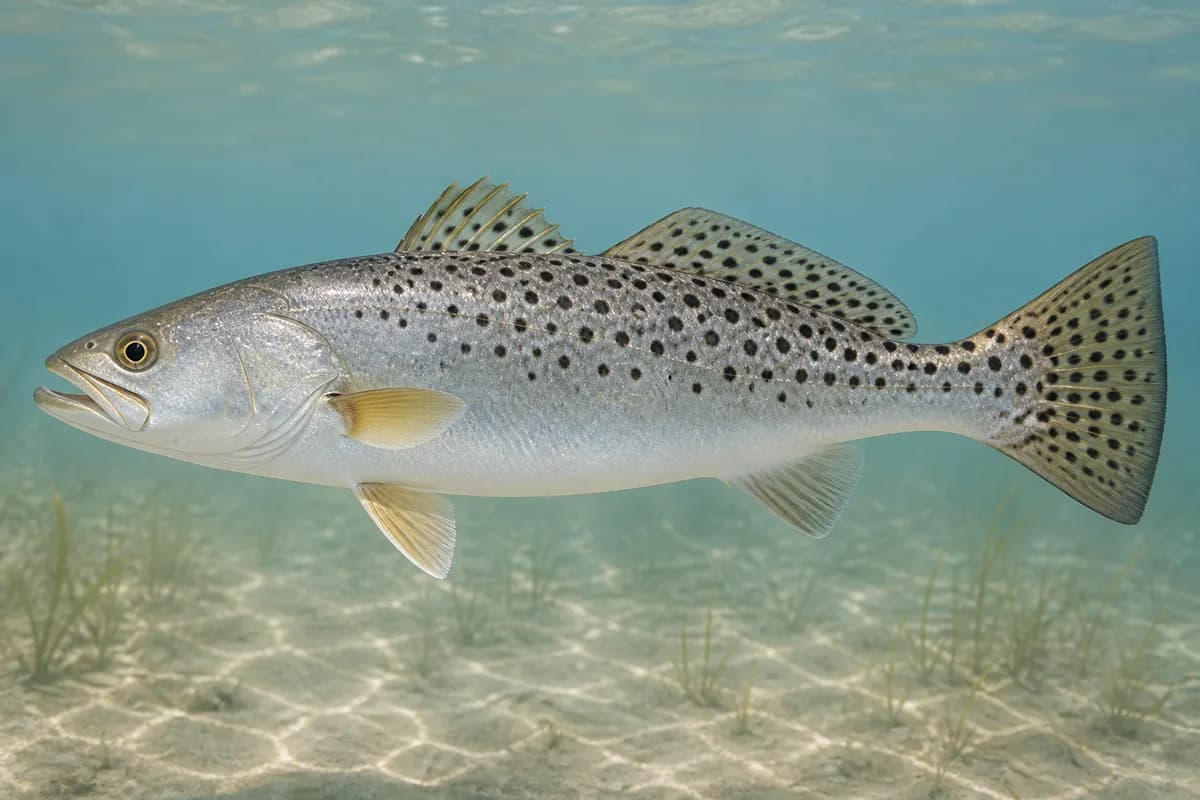
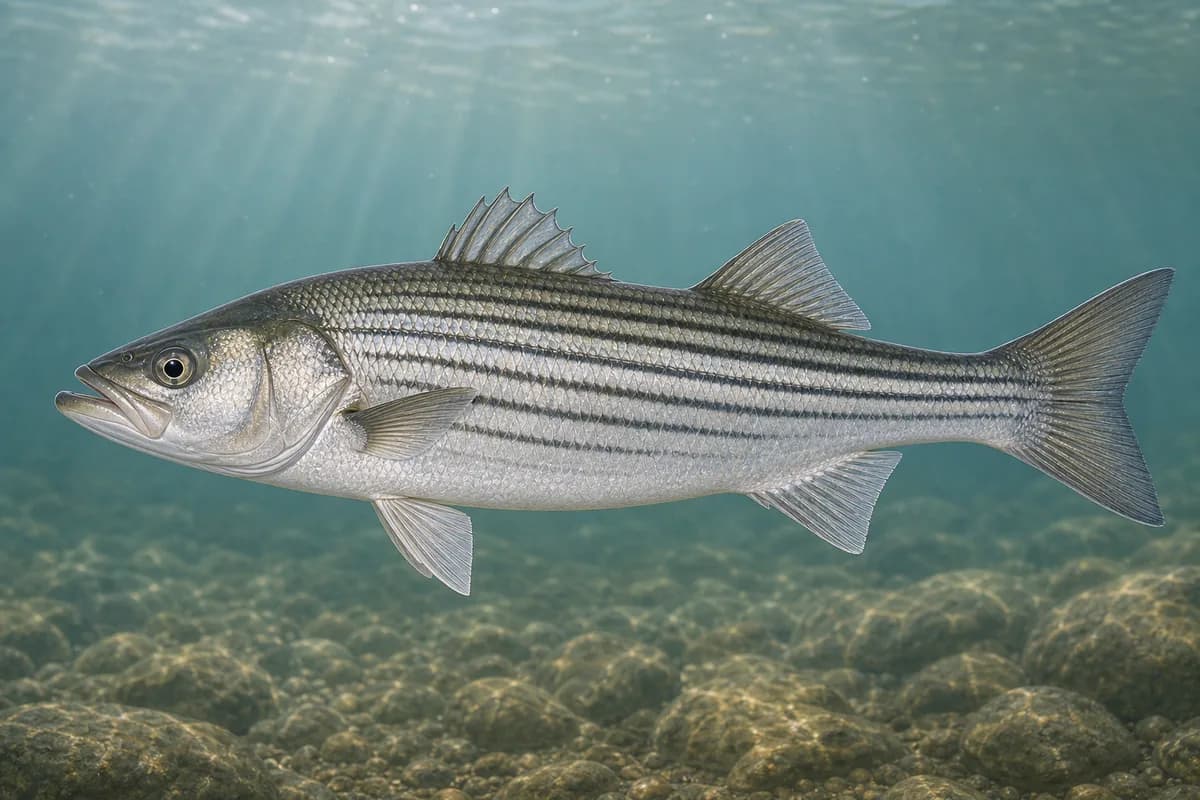
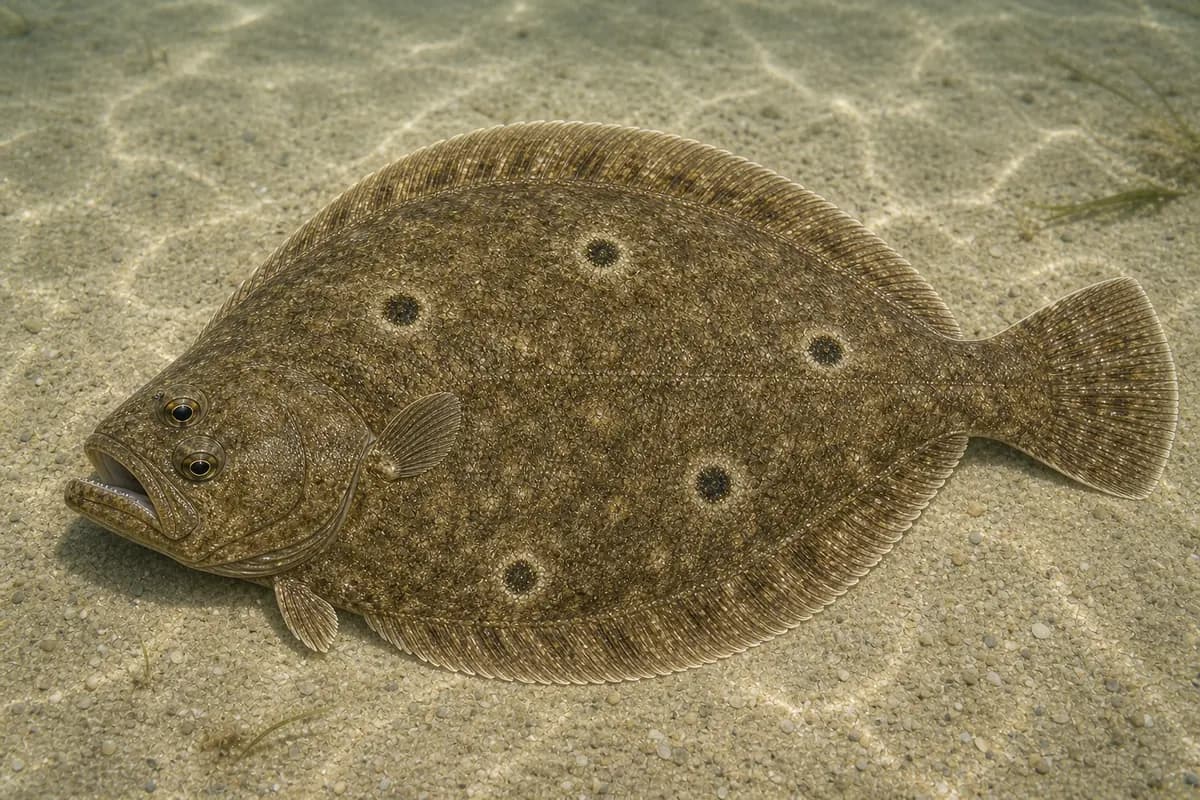
Species images are AI-generated illustrations for visual reference and may simplify natural variation. Fishery records are based on the cited agency and editorial sources. About fish illustrations
Spotted seatrout
Primary
Cynoscion nebulosus
Currently in a typical seasonal window
Typical seasonal window: MAY — JUNE; SEPTEMBER — NOVEMBER
VMRC Angler's Guide names Lynnhaven Inlet among fall speckled trout locations.
Striped bass
SecondaryRegulations vary annually
Morone saxatilis
Typical seasonal opportunity: SPRING AND FALL
VMRC places striped bass in all coastal inshore and Chesapeake Bay tidal waters, including Bay tributary rivers. Striped bass use Lynnhaven Inlet. Harvest dates follow the current regulations.
Summer flounder
Secondary
Paralichthys dentatus
Currently in a typical seasonal window
Typical seasonal window: JULY — OCTOBER
VMRC lists lower Chesapeake Bay among flounder waters; Lynnhaven is a Bay-mouth tributary inlet in that system.
Typical Seasonal Targets
Spotted seatrout — MAY — JUNE; SEPTEMBER — NOVEMBER
Striped bass — SPRING AND FALL
Summer flounder — JULY — OCTOBER
Seasonal presence is general guidance and does not indicate current fish activity.
How to Fish Lynnhaven Inlet
Typical October approaches include inlet and marsh-edge casting and inlet-channel flounder presentations for Spotted seatrout and Summer flounder.
Inlet and marsh-edge casting
Cast paddle tails, bucktails, and swimming plugs along inlet current, bridge abutments, and marsh edges for seatrout and striped bass.
Best for
Spotted seatrout
Modes
Shore
Inshore boat
Setup
Lynnhaven Inlet casting setup
Inlet-channel flounder presentations
Drift or hop fluke bucktails on inlet-channel sand for summer flounder.
Best for
Summer flounder
Modes
Shore
Inshore boat
Setup
Lynnhaven flounder setup
Common Tackle Setups
Lynnhaven Inlet casting setup
Shore or boat spinning tackle for seatrout and striped bass in the inlet.
Rod
Medium spinning rod.
Reel
Spinning reel with a reliable drag.
Main line
Braided main line.
Leader
Fluorocarbon leader.
Terminal tackle
Jig heads matched to inlet current.
Presentation
VMRC: fall method at Lynnhaven Inlet is casting artificial lures.
Used for
Inlet and marsh-edge casting
Lynnhaven flounder setup
Bottom-oriented tackle for inlet-channel flounder.
Rod
Medium spinning rod.
Reel
Spinning reel.
Main line
Braided main line.
Leader
Fluorocarbon leader.
Terminal tackle
Fluke bucktails or jig heads to tick bottom.
Presentation
Drift channel edges rather than fishing only slack pockets.
Used for
Inlet-channel flounder presentations
Typical October Lures and Flies
Common lure and fly families associated with this month’s techniques.
Hop, swim, or drift depending on depth and current speed
Surface popper
Lure
Spotted seatrout
Surface · Twitch, pause
Use short pops rather than constant noise in clear or pressured water
Minnow-style swimming plug
Lure
Spotted seatrout
Shallow to midwater · Steady, twitch, pause
Cast across seams and let the plug track with the current
Soft-plastic paddle tail
Lure
Spotted seatrout
Shallow, Midwater, Variable · Steady, twitch, jig
Swim steadily through seams or hop lightly near bottom transitions
Soft-plastic jig head
Lure
Summer flounder
Midwater, Bottom, Variable · Jig, slow, drift
Keep intermittent bottom contact around structure and soft edges
Fluke bucktail presentation
Lure
Summer flounder
Bottom to shallow · Drift, jig, slow
Maintain intermittent bottom contact across edges and transitions
General seasonal guidance, not a live recommendation, product endorsement, or guarantee of success.
Access, Safety and Regulations
Access
Public boat and shore access is the City of Virginia Beach Lynnhaven Boat Ramp & Beach Facility at 3576 Piedmont Circle, with four launch lanes, a kayak launch, trailer parking, restrooms, and a walkway under the Lesner Bridge to Ocean Park Beach on the Chesapeake Bay. VMRC's recreational-access page states the facility offers access for both shore and boat anglers. Parking meters are enforced seasonally; trailer lots can fill. Confirm current fees, lot status, and bridge/beach postings before you go.
Primary hazards
Strong inlet current, boat traffic, and a filling trailer lot with neighborhood access restrictions are the primary hazards.
Fishery considerations
Current predictions and a local wave reading are not available here.
Wind against the inlet can steepen the throat and Bay-side beach.
Regulations
Size limits, seasons, and possession rules change. Verify the current official regulations before fishing.
The map marker represents the cataloged waterbody or monitoring location and may not indicate legal parking or public access. Confirm access through the official information before visiting.