Woods Hole is a tidal-passage fishery built around fast-moving channels, rocky nearshore structure, and the adjacent edges of Vineyard Sound. Striped bass and bluefish are core predators, while Atlantic bonito, false albacore, and tautog reflect the mix of pelagic movement and hard-bottom structure that defines the area.
Active coastal or marine alerts
Gale Warning
Severity: Moderate
Gale Warning issued October 20 at 2:16AM EDT until October 21 at 8:00PM EDT by NWS Boston/Norton MA
Begins Oct 20, 2026, 2:16 AM · Ends Oct 21, 2026, 8:00 PM
Mariners should alter plans to avoid these hazardous conditions. Remain in port, seek safe harbor, alter course, and/or secure the vessel for hazardous conditions.
These values are tidal-current predictions, not real-time observed currents. They describe conditions near this prediction station rather than the entire surrounding coastal area.
Tidal-current timing can differ from high and low tide timing.
Fishery Profile
Fishery Overview
Woods Hole tidal passages and nearshore structure
A strong tidal-passage fishery around Woods Hole channels, rocky nearshore structure, and adjacent Vineyard Sound edges. Current-swept passages and hard bottom support migratory predators and structure species for shore and inshore-boat approaches where lawful access exists.
Fishery type
Tidal passage
Nearshore
Fishing modes
Shore
Inshore boat
Habitat and structure
Tidal channels and passages with accelerated flow · Rocky nearshore ledges and boulder fields · Current-swept points and sound edges · Mixed hard-bottom structure used by tautog, black sea bass, and scup
Static seasonal guidance · Last reviewed Jul 18, 2026
Not a live bite forecast.
Fishery Targets
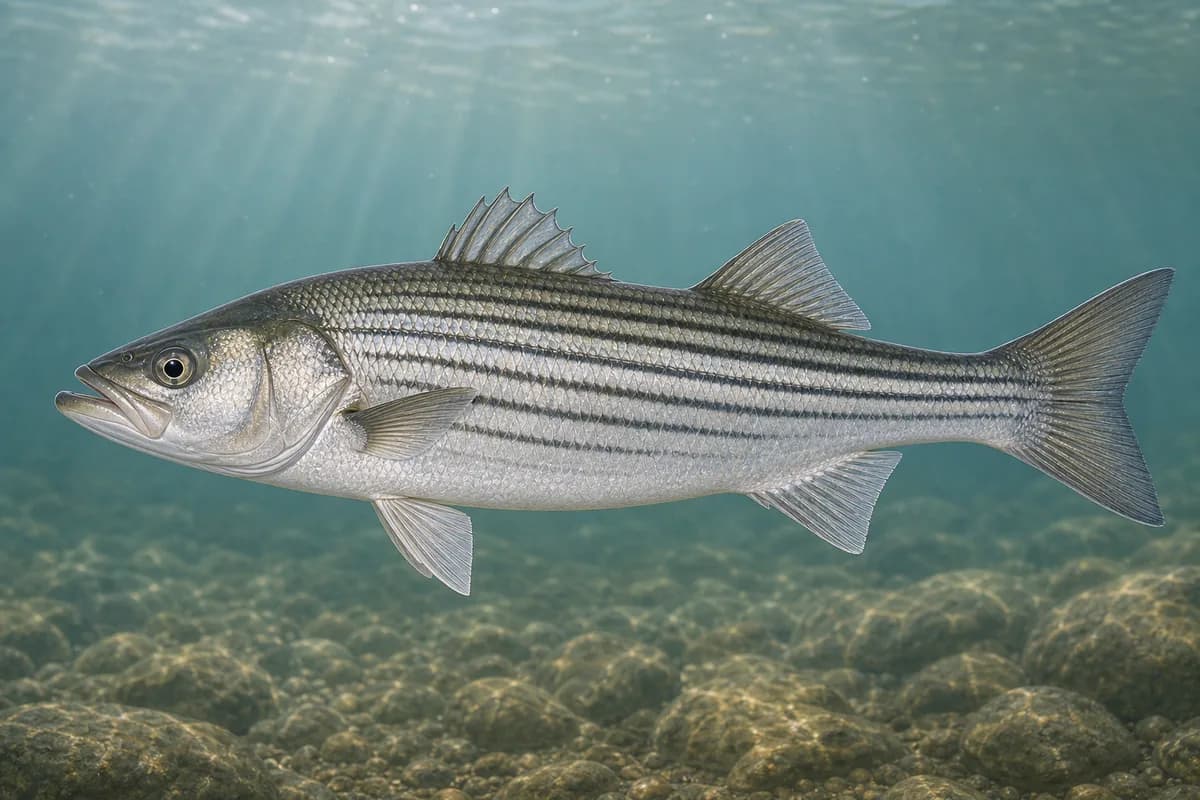
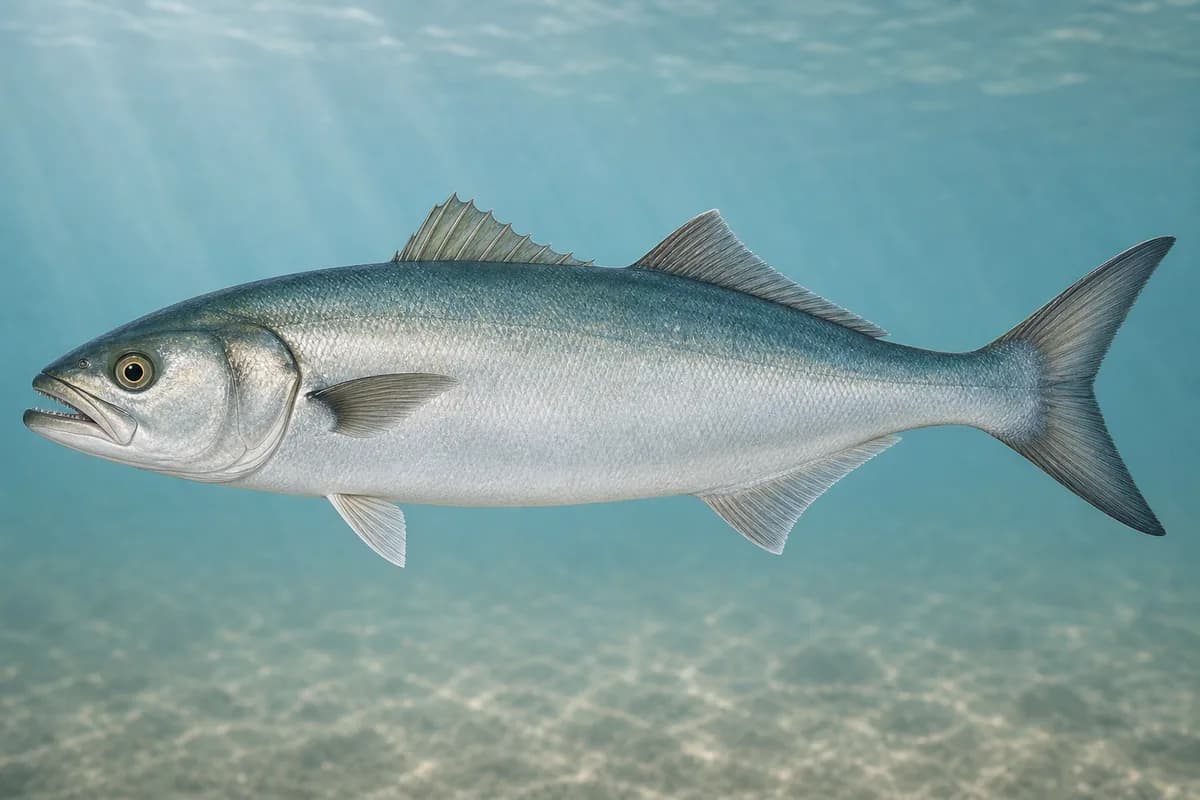
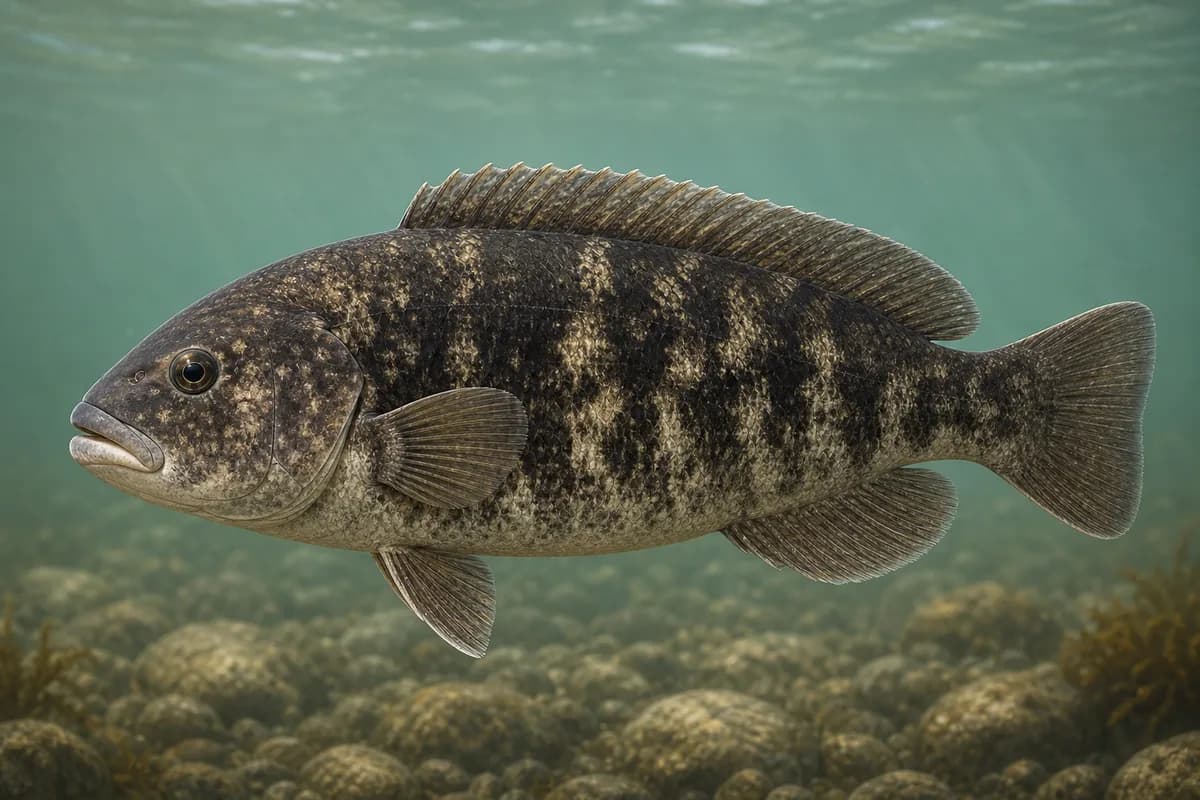
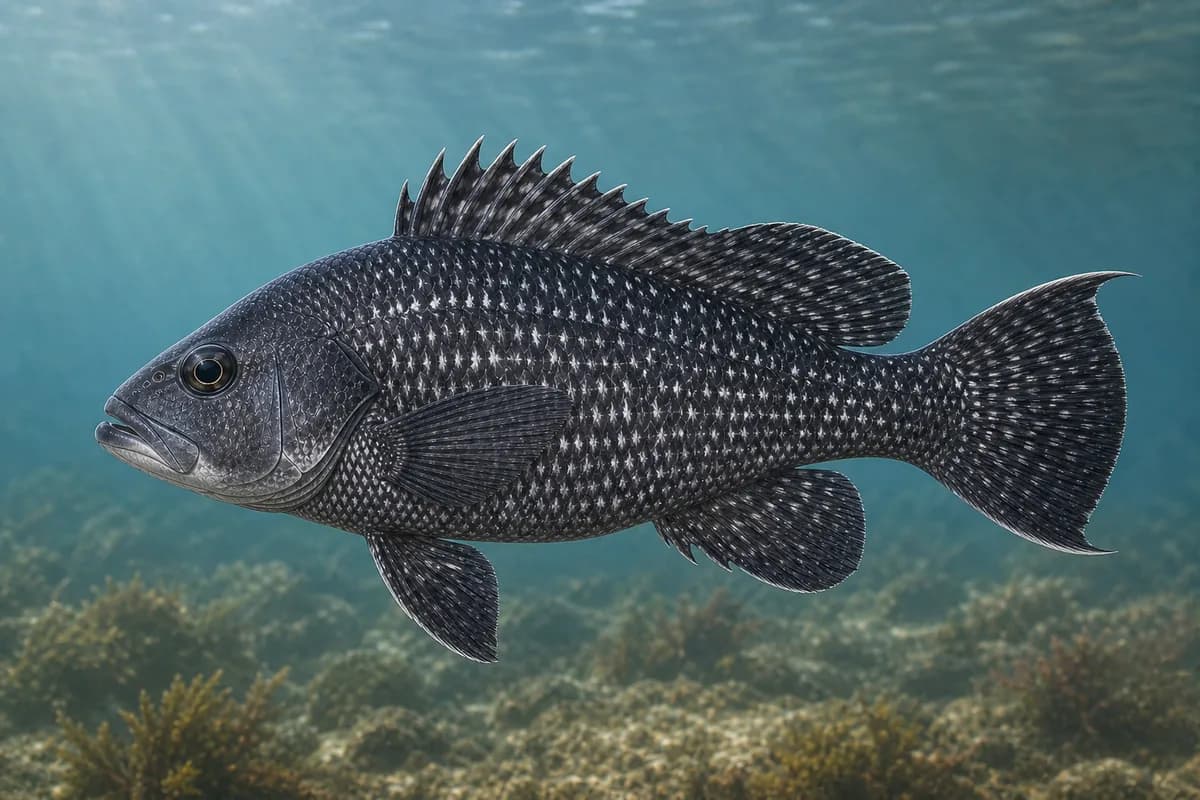
Striped bass and bluefish are the main warm-season targets around the passages and rocky edges. Atlantic bonito and false albacore are shorter seasonal opportunities when warm water and bait push into Vineyard Sound approaches. Tautog, black sea bass, and scup are secondary structure targets rather than the primary migratory story.
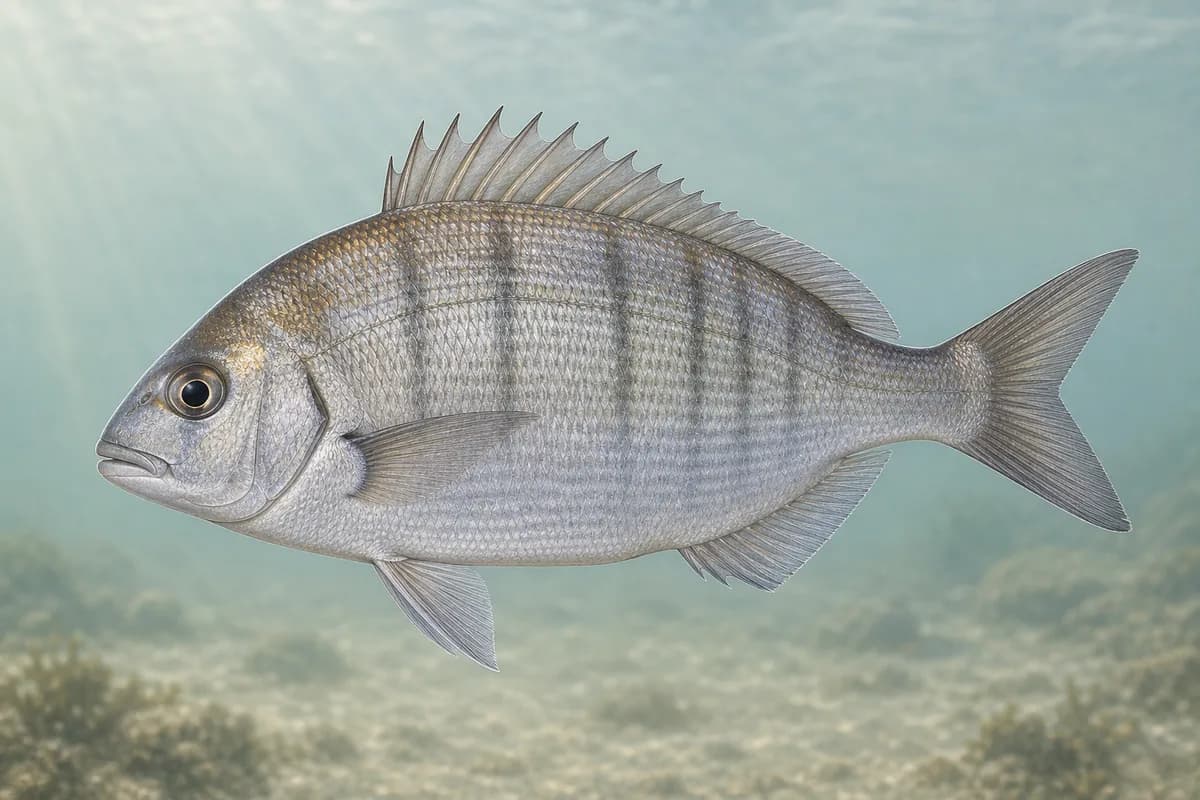
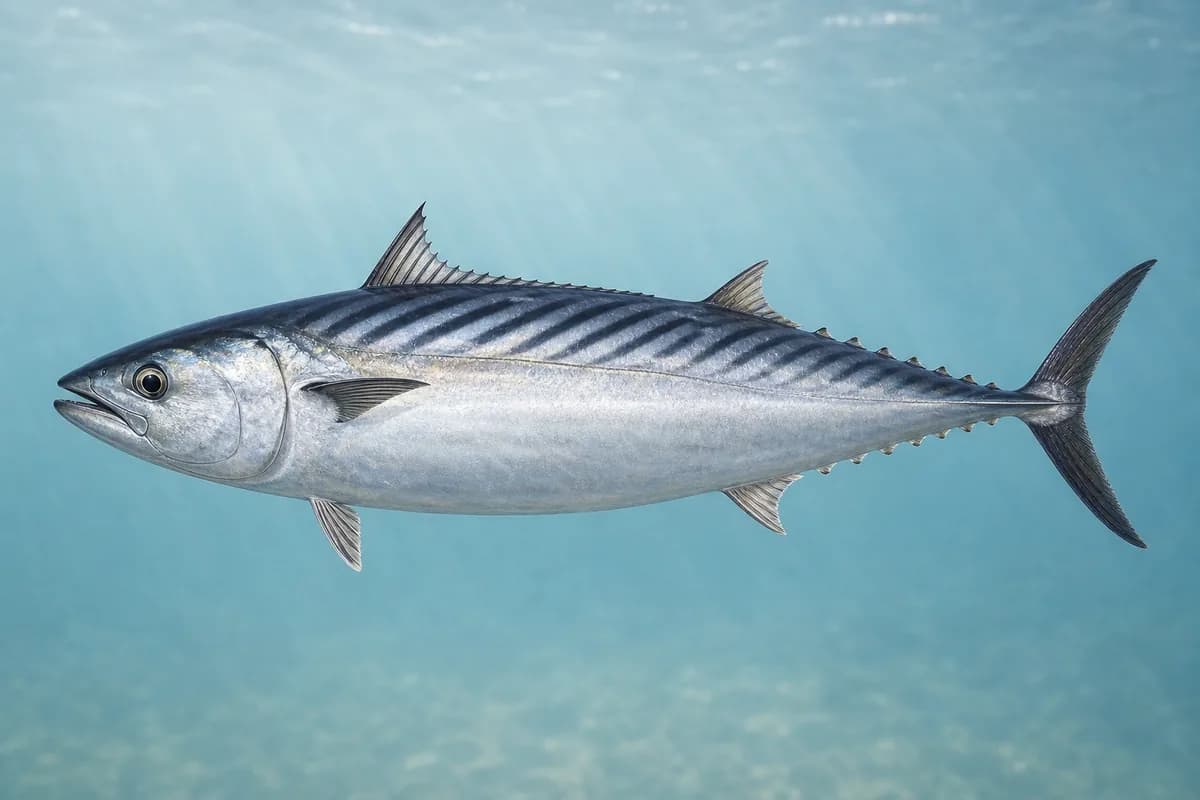
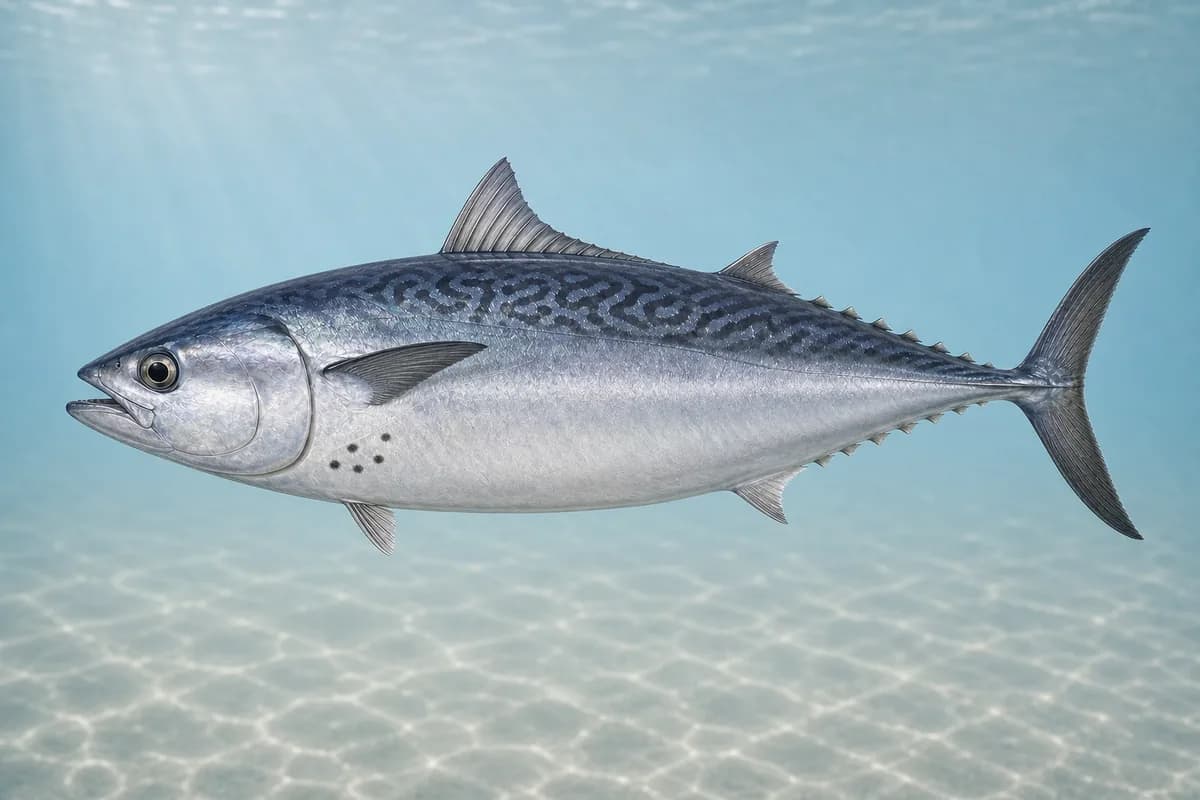
Species images are AI-generated illustrations for visual reference and may simplify natural variation. Fishery records are based on the cited agency and editorial sources. About fish illustrations
Striped bass
Primary
Morone saxatilis
Currently in a typical seasonal window
Typical seasonal window: MAY — NOVEMBER
Bluefish
Primary
Pomatomus saltatrix
Currently in a typical seasonal window
Typical seasonal window: JUNE — OCTOBER
Tautog
Secondary
Tautoga onitis
Currently in a typical seasonal window
Typical seasonal window: APRIL — MAY; SEPTEMBER — NOVEMBER
Black sea bass
Secondary
Centropristis striata
Currently in a typical seasonal window
Typical seasonal window: MAY — OCTOBER
Scup
Secondary
Stenotomus chrysops
Currently in a typical seasonal window
Typical seasonal window: MAY — OCTOBER
Atlantic bonito
Seasonal
Sarda sarda
Typical seasonal window: JULY — SEPTEMBER
False albacore
Seasonal
Euthynnus alletteratus
Also called Little tunny
Currently in a typical seasonal window
Typical seasonal window: AUGUST — OCTOBER
Typical Seasonal Targets
Striped bass — MAY — NOVEMBER
Bluefish — JUNE — OCTOBER
Tautog — APRIL — MAY; SEPTEMBER — NOVEMBER
Black sea bass — MAY — OCTOBER
Scup — MAY — OCTOBER
Atlantic bonito — JULY — SEPTEMBER
False albacore — AUGUST — OCTOBER
Seasonal presence is general guidance and does not indicate current fish activity.
How to Fish Woods Hole
Common seasonal approaches for this destination.
Current-edge casting
Work plugs, soft plastics, or jigs along passage edges and slack pockets adjacent to moving water where striped bass and bluefish hold.
Best for
Striped bass
Bluefish
Modes
Shore
Inshore boat
Setup
Current-edge casting setup
Structure jigging and bait
Present jigs or bait on rocky bottom for tautog, black sea bass, and scup when current is manageable.
Best for
Tautog
Black sea bass
Scup
Modes
Shore
Inshore boat
Setup
Structure jigging setup
Pelagic casting to surface activity
When bonito or false albacore show, cast small metals or soft plastics to breaking fish and moving bait schools in open water near the passages.
Best for
False albacore
Modes
Shore
Inshore boat
Setup
Pelagic casting setup
Common Tackle Setups
Current-edge casting setup
Shore or inshore-boat spinning tackle for casting baitfish presentations across current seams for striped bass and bluefish.
Rod
7–9 ft medium to medium-heavy spinning rod for casting across seams.
Reel
Spinning reel with adequate drag for current and fish that use it.
Main line
Braided main line suited to casting distance and current.
Leader
Fluorocarbon or mono leader with abrasion resistance near rock and bottom.
Terminal tackle
Snaps or loops for plugs and soft plastics.
Presentation
Cast across seams and let the current help present the lure.
Used for
Current-edge casting
Structure jigging setup
Bottom-oriented jigging tackle for tautog, black sea bass, and scup around local structure.
Rod
Medium-heavy rod suited to vertical or short-cast jigging near structure.
Reel
Reel with enough power to lift fish away from snags.
Main line
Braided main line with good abrasion resistance.
Leader
Shorter abrasion-resistant leader for rock and wreck contact.
Terminal tackle
Jig heads sized to hold near bottom.; Hooks suited to bait or soft-plastic presentations.
Presentation
Keep contact with bottom structure without excessive hang-ups.
Used for
Structure jigging and bait
Pelagic casting setup
Faster-retrieve spinning or light conventional tackle for compact presentations aimed at bonito and false albacore.
Rod
Medium spinning rod suited to long casts and fast retrieves.
Reel
Reel with smooth drag and enough line capacity for longer runs.
Main line
Light-to-medium braid for casting distance.
Leader
Clear fluorocarbon leader matched to water clarity and lure size.
Terminal tackle
Light snaps or loops that do not dull lure action.
Presentation
Keep presentations compact and ready for a fast retrieve when fish show.
Used for
Pelagic casting to surface activity
Typical October Lures and Flies
Common lure and fly families associated with this month’s techniques.
Lures
Soft-plastic jig head
Lure
Striped bass
Bluefish
Tautog
Black sea bass
Scup
Midwater, Bottom, Variable · Jig, slow, drift
Keep intermittent bottom contact around structure and soft edges
Minnow-style swimming plug
Lure
Striped bass
Bluefish
Shallow to midwater · Steady, twitch, pause
Cast across seams and let the plug track with the current
Hop, swim, or drift depending on depth and current speed
Reef and structure jig
Lure
Tautog
Black sea bass
Scup
Bottom · Jig, slow
Maintain near-bottom contact without burying the jig in snags
Flies
Epoxy minnow fly
Fly
False albacore
Modes
Shore
Inshore boat
Shallow to midwater · Fast, steady
Lead the school and keep a fast, even strip
General seasonal guidance, not a live recommendation, product endorsement, or guarantee of success.
Access, Safety and Regulations
Access
Public shore access around Woods Hole is limited and mixed with institutional, private, and working-waterfront shoreline. Do not assume continuous public fishing rights along channels or docks. Inshore-boat approaches require navigation awareness in a busy, current-swept harbor corridor. Verify posted access, parking, and launch rules with local public authorities before fishing.
Primary hazards
Strong currents, slippery rocks, vessel traffic, and abrupt depth changes are the main hazards. Shore anglers should keep an exit route above the rising tide. Small craft should treat peak tidal exchange as a navigation constraint.
Fishery considerations
Tidal exchange through Woods Hole passages can be forceful. Current direction, speed, and eddy lines often matter more than tide height alone for presentation and boat control. Shore anglers should treat exposed rocks as tide-dependent footing.
Wind against tide can create steep, confused water in the passages and adjacent sound edges. Reduced visibility and chop make both shore footing and small-boat positioning more demanding.
Regulations
Size limits, seasons, and possession rules change. Verify the current official regulations before fishing.
The map marker represents the cataloged waterbody or monitoring location and may not indicate legal parking or public access. Confirm access through the official information before visiting.