Narragansett Bay at Newport is a bay-entrance fishery centered on rocky shoreline, current-influenced points, and nearby inshore structure at the mouth of Narragansett Bay. Striped bass and bluefish headline the migratory fishery, while tautog and summer flounder add hard-bottom and nearshore variety around the Newport entrance.
Current Coastal Rating
Poor · 49
Beta
Conditions are poor, but confidence is reduced because some coastal inputs are partial or prediction-based.
Scores are model-specific and are not directly comparable across water types.
Should I Go?
Trip conditions only. Target-species activity and seasonal fishery patterns are not yet included.
Consider
Trip conditions may be workable, but important cautions or data limitations remain.
Low confidence — Important source checks or coastal inputs were unavailable.
Evaluates trip conditions using weather, tides, currents, waves, daylight, and active alerts.
Recommendation scope
Shore
Boat and kayak conditions are not included in this recommendation.
Service Status
Degraded
Recommendation confidence is low while the verdict remains Consider.
Recommended window
Tuesday · 12:00 PM–3:00 PM EDT
Window score
64
Max wind
16 mph
Max gust
31 mph
Daylight
100% of window
Tide state
rising
Peak current
0.6 kn
Why
Strong daylight coverage supports the evaluated window.
Watch for
Predicted gusts are elevated for this trip mode.
Coastal conditions can change quickly. Review official alerts and current conditions before heading out.
Automated species match
Likely targets for this window
Matched to the same safe fishing window used by Should I Go?
Tautog
Strong match
In the typical seasonal window
Tide pattern aligns
Water temperature aligns
Common approaches: Structure bait and jigs
Common presentations: Tautog jig, Soft-plastic jig head, Reef and structure jig
Tautog and False albacore have similarly strong profile matches for this window. Based on seasonal presence, tide, and available marine-temperature data.
This is automated, profile-based guidance—not a guarantee of catch or a statement of fishing regulations.
Current Readings
Updated Oct 20, 2026, 6:01 AM
NOAA Station selected
Source
NOAA CO-OPS
Newport station
0.0 mi from destination
Water level
2.7 ft MLLW
Updated 8 min ago
Water temperature
59.4°F
Updated 8 min ago
Wind
NNE · 12 mph
Updated 8 min ago
Wind gust
19 mph
Updated 8 min ago
Past 7 Days
NOAA Station selected
Water level
Window Oct 13, 2026, 6:01 AM – Oct 20, 2026, 6:01 AM (rolling 168 hours)
Water level over the past 7 days. 1679 observations · from Oct 13, 2026, 6:06 AM · to Oct 20, 2026, 5:54 AM Range 0.7 ft MLLW to 5.0 ft MLLW.
Readings increased over the available period.
1679 observations · from Oct 13, 2026, 6:06 AM · to Oct 20, 2026, 5:54 AM
These values are tidal-current predictions, not real-time observed currents. They describe conditions near this prediction station rather than the entire surrounding coastal area.
Data coverage
This station provides max-current and slack-water events, but not a continuous current-speed timeline.
Tidal-current timing can differ from high and low tide timing.
Fishery Profile
Fishery Overview
Narragansett Bay entrance rocky shore and inshore structure
A bay-entrance fishery centered on Newport's rocky shoreline, current-influenced points, and nearby inshore structure at the mouth of Narragansett Bay. Migratory predators and hard-bottom species share shoreline and nearshore water that responds to tide stage and bay exchange.
Fishery type
Bay entrance
Rocky shore
Fishing modes
Shore
Inshore boat
Habitat and structure
Rocky shoreline, ledges, and boulder points at the bay entrance · Tide-influenced pockets and current edges along the Newport shore · Nearshore hard bottom and reefs for tautog, black sea bass, and scup · Sand and mud transitions where summer flounder hold along deeper edges
Static seasonal guidance · Last reviewed Jul 18, 2026
Not a live bite forecast.
Fishery Targets
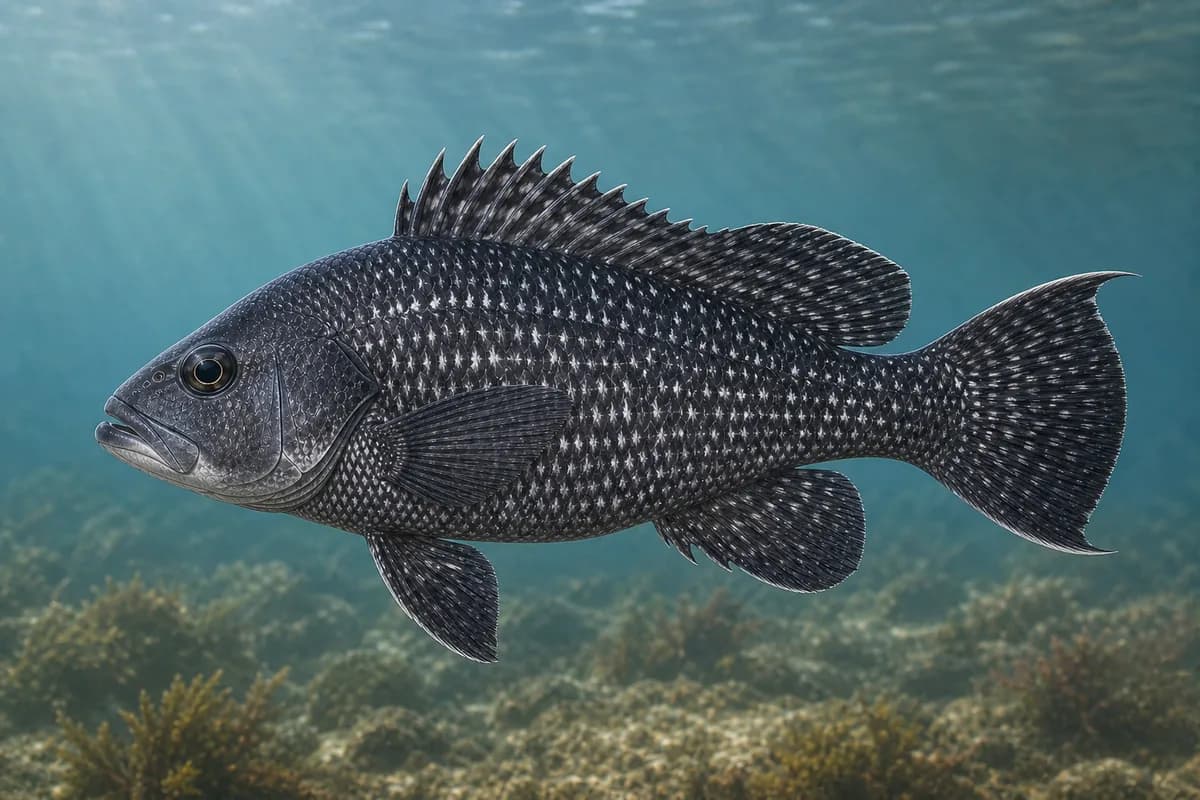
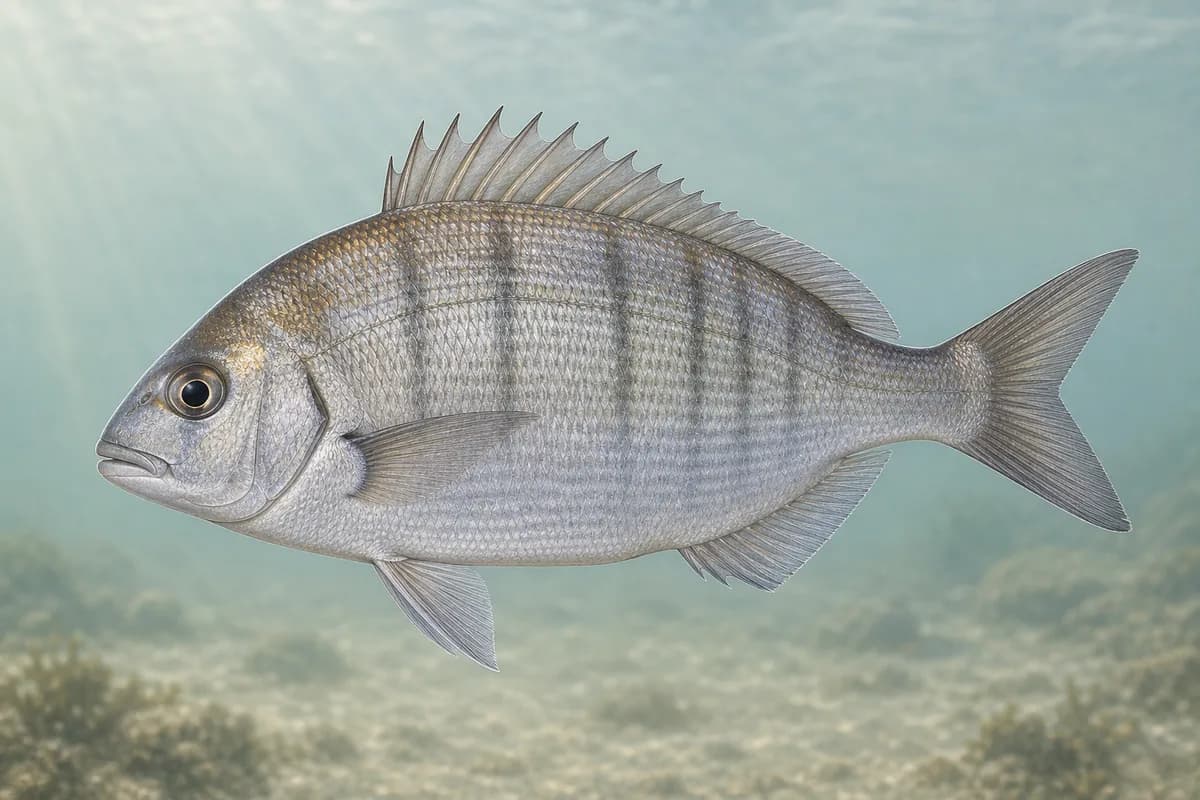
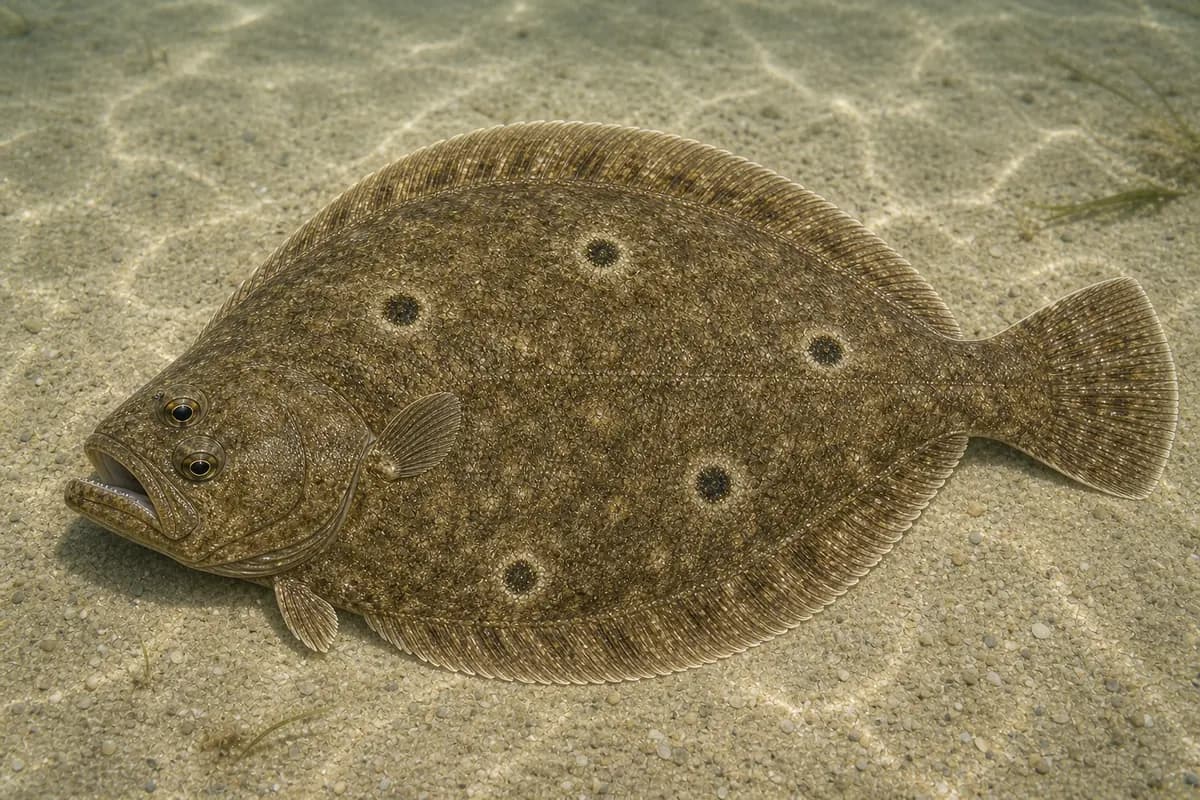
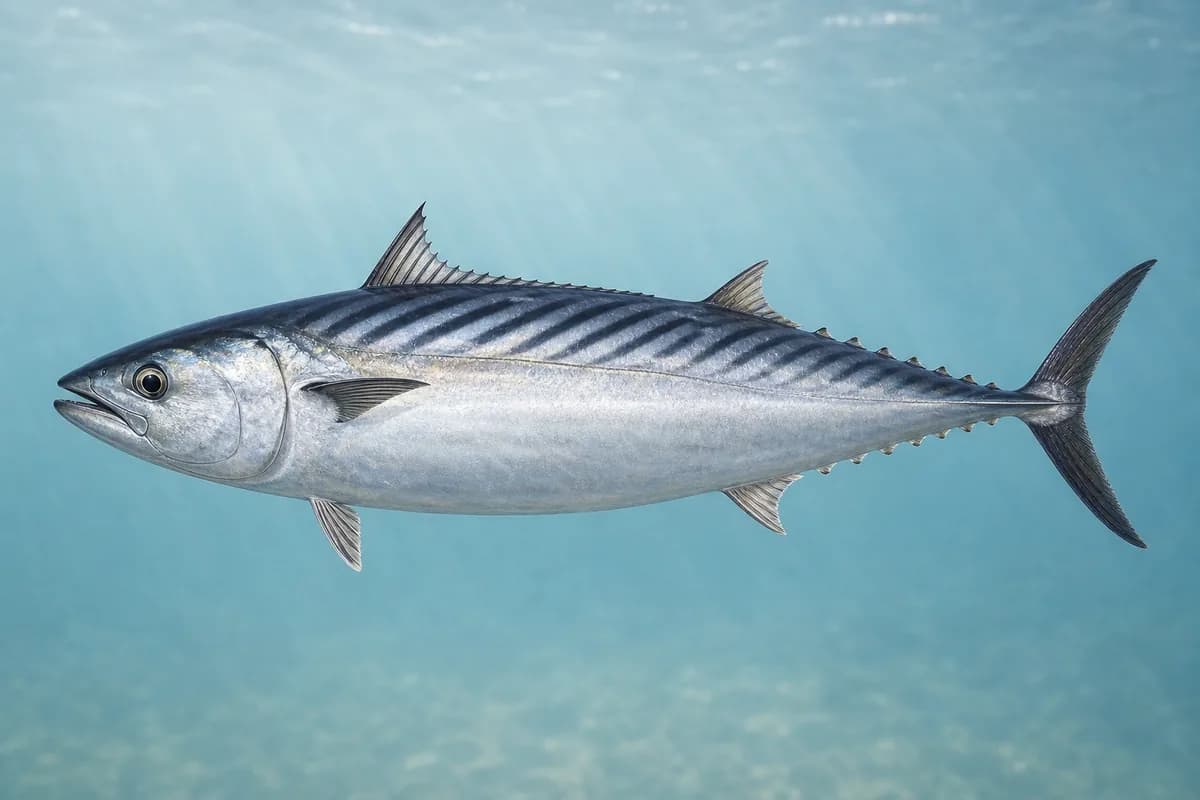
Striped bass and bluefish are the primary warm-season shoreline targets around Newport's bay entrance. Tautog, black sea bass, scup, and summer flounder fill out the secondary structure and bottom fishery. Atlantic bonito and false albacore are shorter seasonal visitors when warm water and bait reach the lower bay and nearby sound approaches.
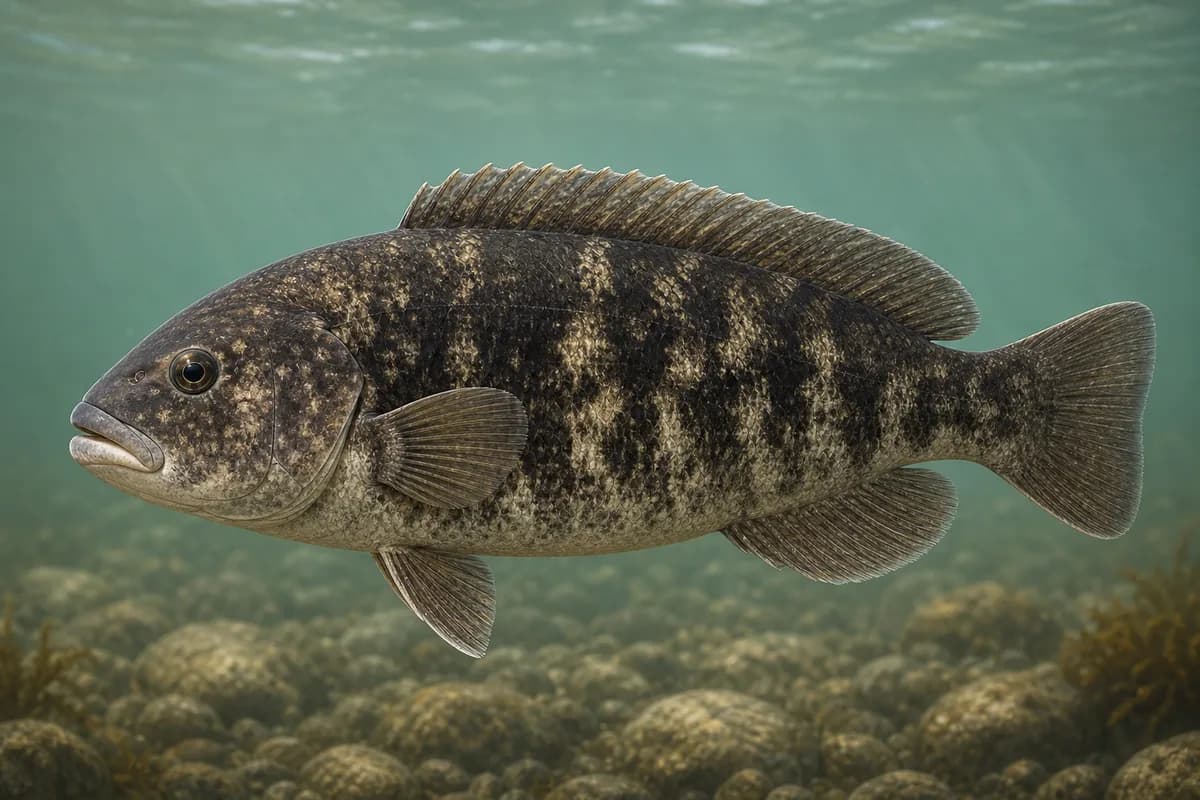
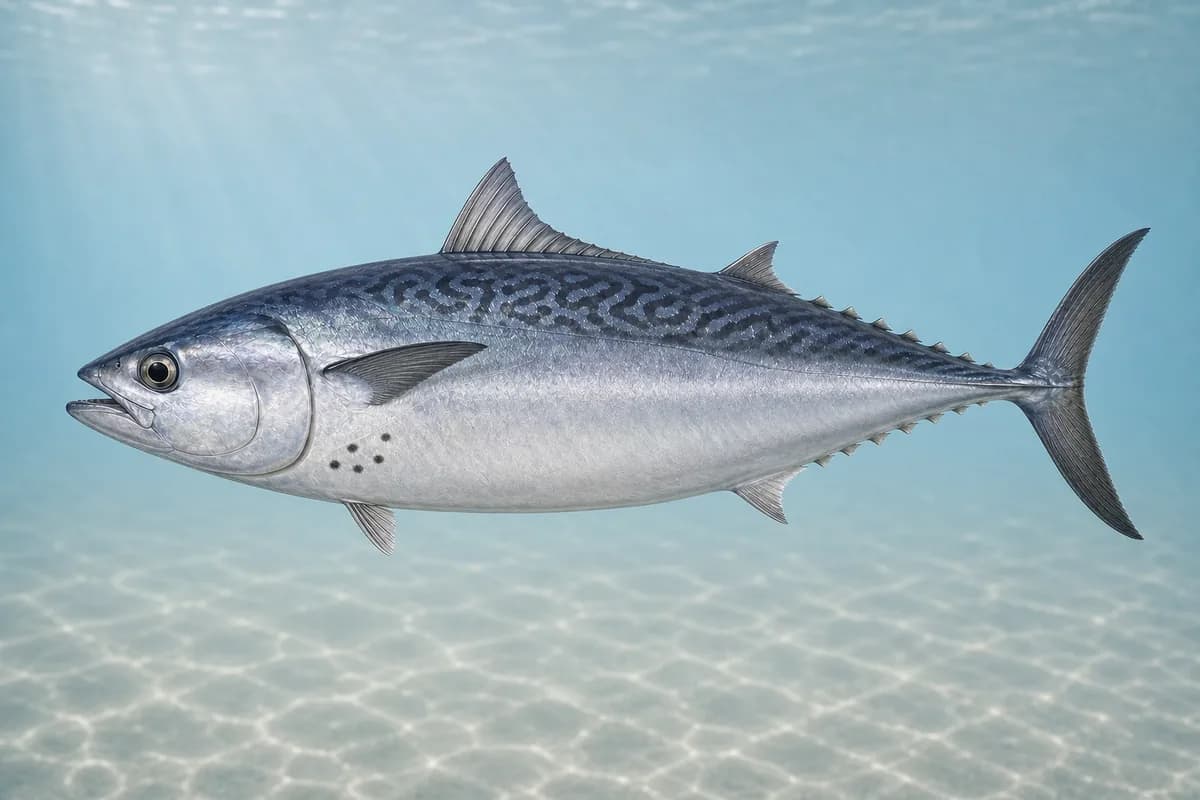
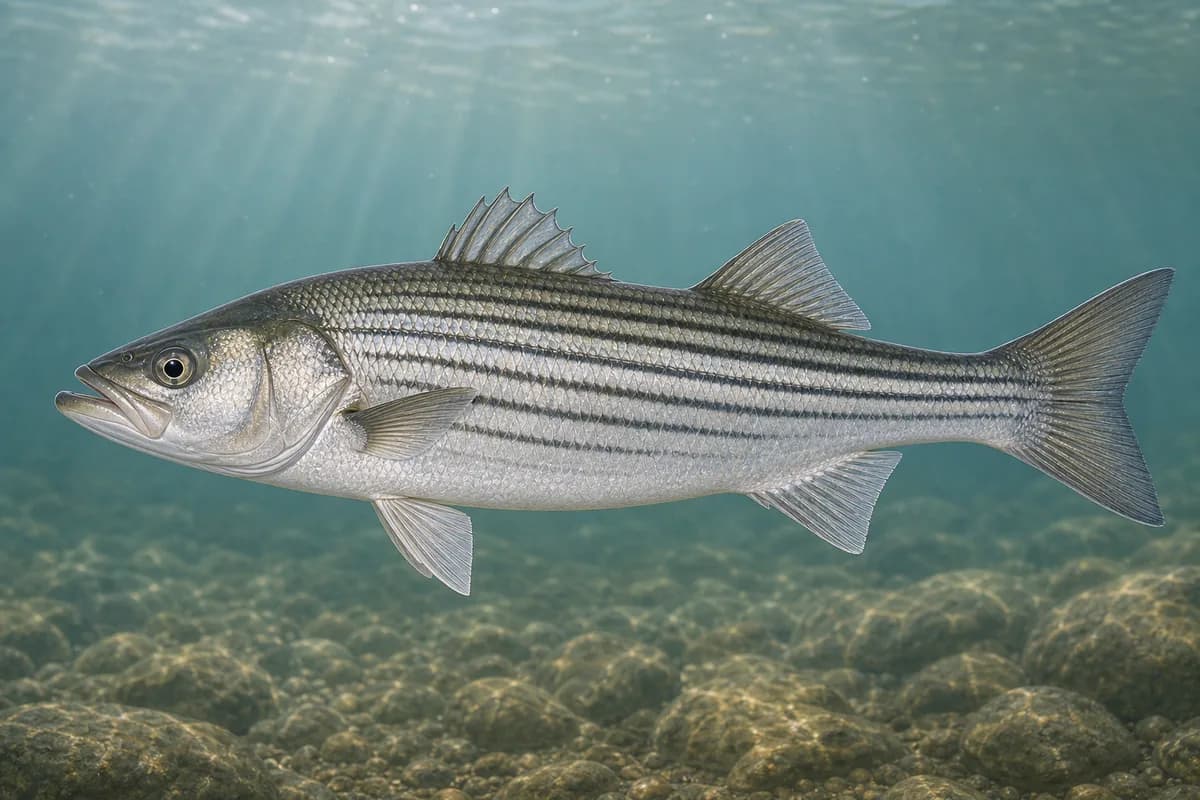
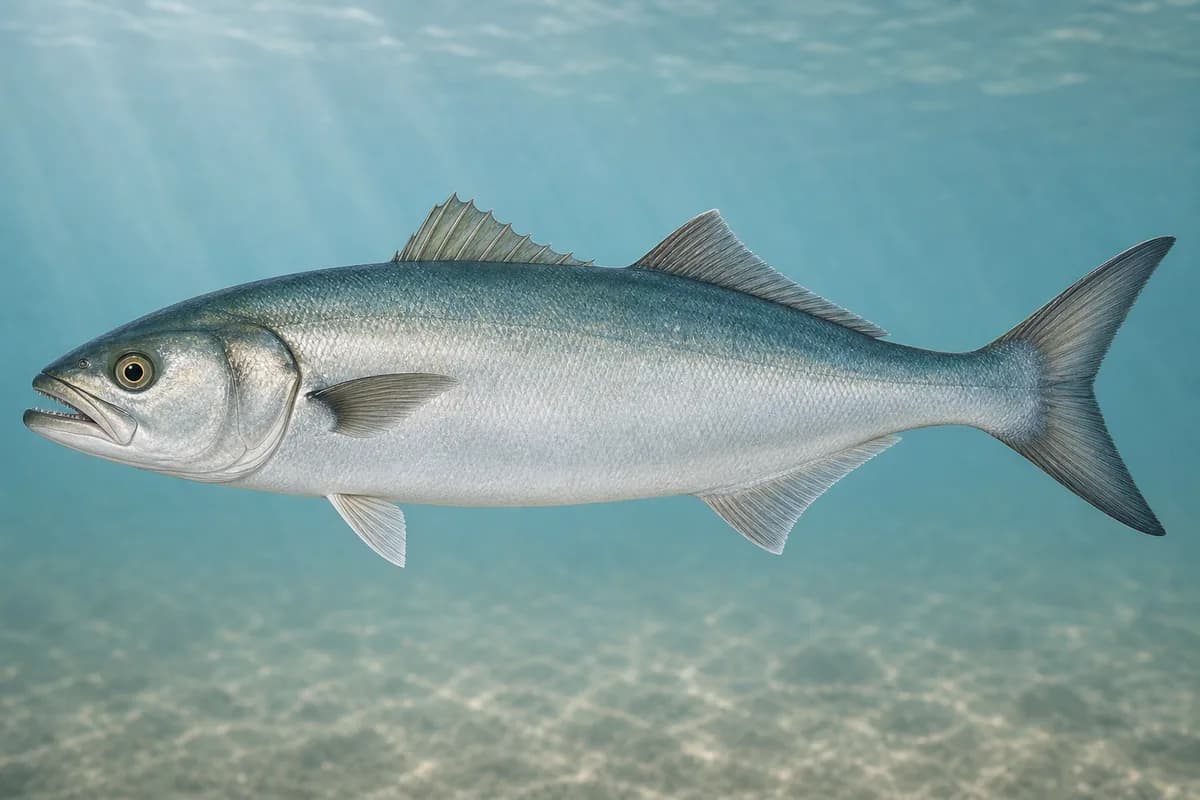
Species images are AI-generated illustrations for visual reference and may simplify natural variation. Fishery records are based on the cited agency and editorial sources. About fish illustrations
Striped bass
Primary
Morone saxatilis
Currently in a typical seasonal window
Typical seasonal window: MAY — NOVEMBER
Bluefish
Primary
Pomatomus saltatrix
Currently in a typical seasonal window
Typical seasonal window: JUNE — OCTOBER
Tautog
Secondary
Tautoga onitis
Currently in a typical seasonal window
Typical seasonal window: APRIL — MAY; SEPTEMBER — NOVEMBER
Black sea bass
Secondary
Centropristis striata
Currently in a typical seasonal window
Typical seasonal window: MAY — OCTOBER
Scup
Secondary
Stenotomus chrysops
Currently in a typical seasonal window
Typical seasonal window: MAY — OCTOBER
Summer flounder
Secondary
Paralichthys dentatus
Typical seasonal window: MAY — SEPTEMBER
Atlantic bonito
Seasonal
Sarda sarda
Typical seasonal window: JULY — SEPTEMBER
False albacore
Seasonal
Euthynnus alletteratus
Also called Little tunny
Currently in a typical seasonal window
Typical seasonal window: AUGUST — OCTOBER
Typical Seasonal Targets
Striped bass — MAY — NOVEMBER
Bluefish — JUNE — OCTOBER
Tautog — APRIL — MAY; SEPTEMBER — NOVEMBER
Black sea bass — MAY — OCTOBER
Scup — MAY — OCTOBER
Summer flounder — MAY — SEPTEMBER
Atlantic bonito — JULY — SEPTEMBER
False albacore — AUGUST — OCTOBER
Seasonal presence is general guidance and does not indicate current fish activity.
How to Fish Narragansett Bay at Newport
Common seasonal approaches for this destination.
Rocky-shore casting
Cast plugs, soft plastics, or jigs along rock points and whitewater edges for striped bass and bluefish as tide moves bait along the shoreline.
Best for
Striped bass
Bluefish
Modes
Shore
Inshore boat
Setup
Rocky-shore casting setup
Structure bait and jigs
Fish bait or jigs on rocky bottom and nearshore reefs for tautog, black sea bass, and scup.
Best for
Tautog
Black sea bass
Scup
Modes
Shore
Inshore boat
Setup
Structure and bottom setup
Pelagic casting
When bonito or false albacore appear, cast small metals or soft plastics to surface activity near the bay mouth.
Best for
False albacore
Modes
Shore
Inshore boat
Setup
Seasonal pelagic casting setup
Common Tackle Setups
Rocky-shore casting setup
Shore spinning tackle for casting plugs and soft plastics around rocky structure for striped bass and bluefish.
Rod
8–10 ft medium-heavy spinning rod suited to rocky-shore casting.
Reel
Spinning reel with solid drag and corrosion-aware care after salt use.
Main line
Braided main line for casting and abrasion near rocks.
Leader
Abrasion-resistant leader for rocky shorelines.
Terminal tackle
Strong snaps or loops for plugs and soft plastics.
Presentation
Work structure edges and current breaks along rocky shorelines.
Used for
Rocky-shore casting
Structure and bottom setup
Bottom-oriented tackle for tautog, black sea bass, and scup around rocky structure.
Rod
Medium-heavy rod suited to structure fishing from shore or boat.
Reel
Reel with enough power for short, forceful lifts near rock.
Main line
Braided main line with abrasion resistance.
Leader
Shorter abrasion-resistant leader.
Terminal tackle
Jig heads or sinker setups sized to the depth and current.; Hooks suited to bait presentations.
Presentation
Keep presentations near structure without excessive snagging.
Used for
Structure bait and jigs
Seasonal pelagic casting setup
Faster casting tackle for compact presentations aimed at bonito and false albacore.
Rod
Medium spinning rod for long casts and fast retrieves.
Reel
Smooth-drag reel with practical line capacity.
Main line
Light-to-medium braid for casting distance.
Leader
Clear fluorocarbon leader matched to lure size.
Terminal tackle
Light snaps or loops.
Presentation
Keep compact lures ready for a fast retrieve when fish show.
Used for
Pelagic casting
Typical October Lures and Flies
Common lure and fly families associated with this month’s techniques.
Lures
Pencil-style surface plug
Lure
Striped bass
Bluefish
Surface · Sweep, twitch, pause
Work across current seams and keep the plug on top without excessive splash
Walk-the-dog surface plug
Lure
Striped bass
Bluefish
Surface · Sweep, pause, twitch
Keep a rhythmic walk along rock points and whitewater edges
Surface popper
Lure
Striped bass
Bluefish
Surface · Twitch, pause
Use short pops rather than constant noise in clear or pressured water
Floating metal-lip swimmer
Lure
Striped bass
Bluefish
Surface to shallow · Steady, sweep, pause
Swim just under the surface along seams and boulder edges
Minnow-style swimming plug
Lure
Striped bass
Bluefish
Shallow to midwater · Steady, twitch, pause
Cast across seams and let the plug track with the current
Flies
General baitfish streamer
Fly
Striped bass
Bluefish
Modes
Shore
Inshore boat
Shallow to midwater · Steady, twitch, swing
Strip with short pauses so the fly tracks naturally through seams
General seasonal guidance, not a live recommendation, product endorsement, or guarantee of success.
Access, Safety and Regulations
Access
Newport and surrounding public shoreline access varies by park, right-of-way, and posted local rules. Rocky ledges may be reachable from public coastal parks and paths where open, but private waterfront and restricted areas are common. Confirm parking, shoreline access, and any local closures before fishing.
Primary hazards
Slippery rocks, surge, and rapidly changing ledge exposure are the primary shore hazards. Wear footwear with grip, watch the rising tide behind you, and avoid fishing wave-washed rocks in rough water. Boat traffic near the bay entrance adds collision and wake risk for small craft.
Fishery considerations
Tide stage changes how much rock is exposed and where bait moves along the entrance shoreline. Rising and falling water can reposition productive seams and alter safe footing on ledges. Bay exchange also influences nearshore current near points.
Onshore wind and swell can make rock fishing unsafe and reduce clarity along the open entrance. Small craft should treat wind against tide as a separate handling concern from species presence.
Regulations
Size limits, seasons, and possession rules change. Verify the current official regulations before fishing.
The map marker represents the cataloged waterbody or monitoring location and may not indicate legal parking or public access. Confirm access through the official information before visiting.