Port Canaveral at Jetty Park is a Space Coast inlet-and-jetty fishery where deep port water meets the Atlantic along armored shoreline and current-swept channel edges. Snook, red drum, sheepshead, and Spanish mackerel are principal targets across the jetty and adjoining nearshore water.
Active coastal or marine alerts
Small Craft Advisory
Severity: Minor
Small Craft Advisory issued October 20 at 2:21AM EDT until October 23 at 4:00AM EDT by NWS Melbourne FL
Begins Oct 20, 2026, 2:21 AM · Ends Oct 23, 2026, 4:00 AM
Inexperienced mariners, especially those operating smaller vessels, should avoid navigating in hazardous conditions.
Florida · Florida Atlantic / Space and Treasure Coasts · Inlet
Approximately 67.9 miles away
Predicted Tides
Predicted
Falling
Next low tide
Oct 20, 2026, 9:29 AM
In 1 hr 44 min
1.3 ft MLLW
Previous
High · Oct 20, 2026, 3:24 AM · 3.3 ft MLLW
Following
High · Oct 20, 2026, 3:55 PM · 3.9 ft MLLW
Tide station at destination
Port Canaveral at Jetty Park · NOAA 8721604
Predicted Tidal Current
Predicted
Tidal-current predictions are not available for this destination.
Tidal-current timing can differ from high and low tide timing.
Fishery Profile
Fishery Overview
Port Canaveral Jetty Park pier and channel-shore fishery
A Space Coast harbor-entrance shore fishery at Port Canaveral's Jetty Park. Anglers fish the Malcolm E. McLouth fishing pier and the designated channel shoreline, not the swimming beach, for snook, Spanish mackerel, red drum, and sheepshead around the port entrance.
Fishery type
Port jetty pier
Fishing modes
Shore
Habitat and structure
Malcolm E. McLouth fishing pier at Jetty Park · Port Canaveral entrance channel walls and designated channel shoreline · Rock and current seams at the Atlantic mouth of the port
Static seasonal guidance · Last reviewed Aug 15, 2026
Not a live bite forecast.
Fishery Targets
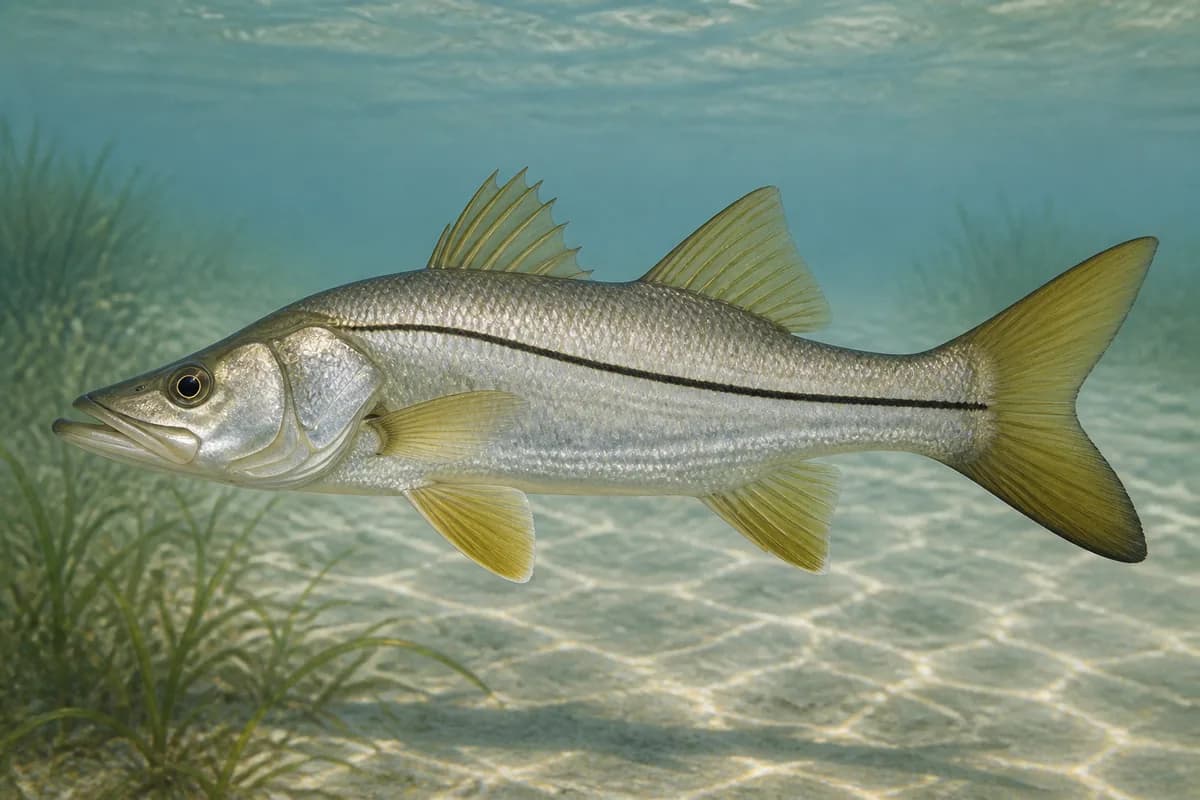
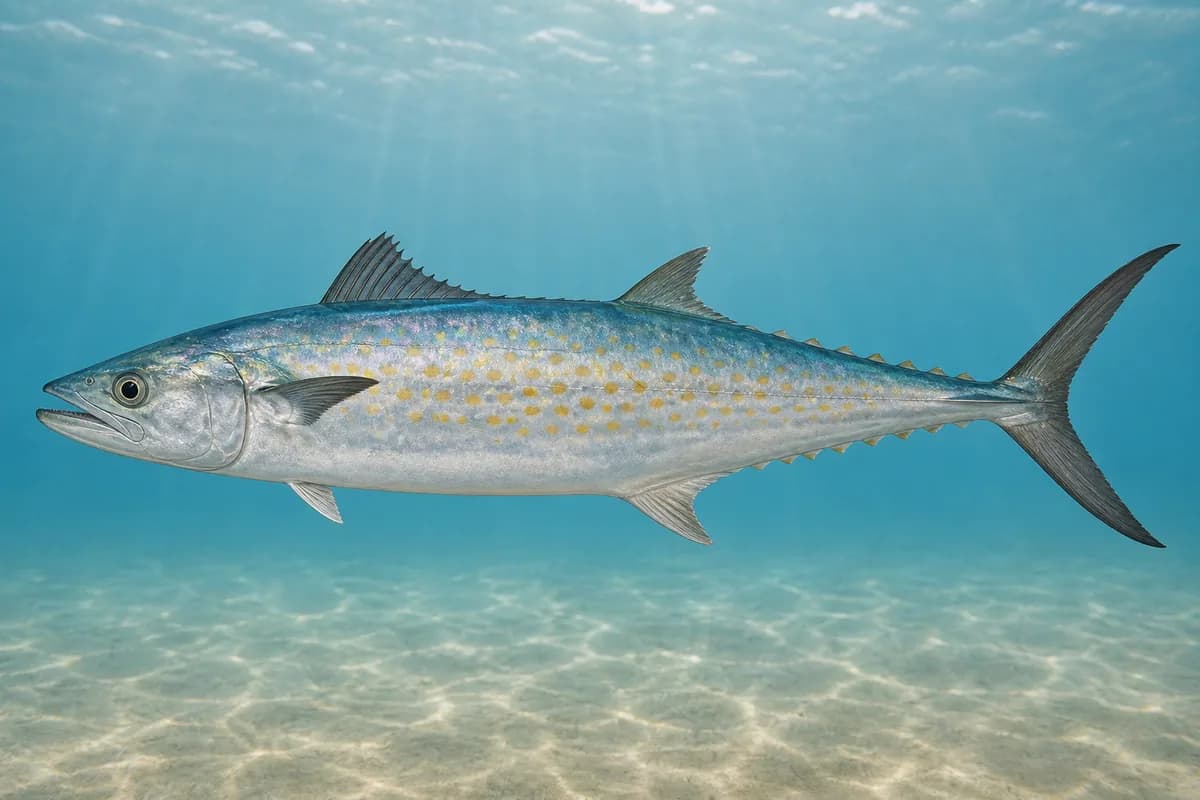
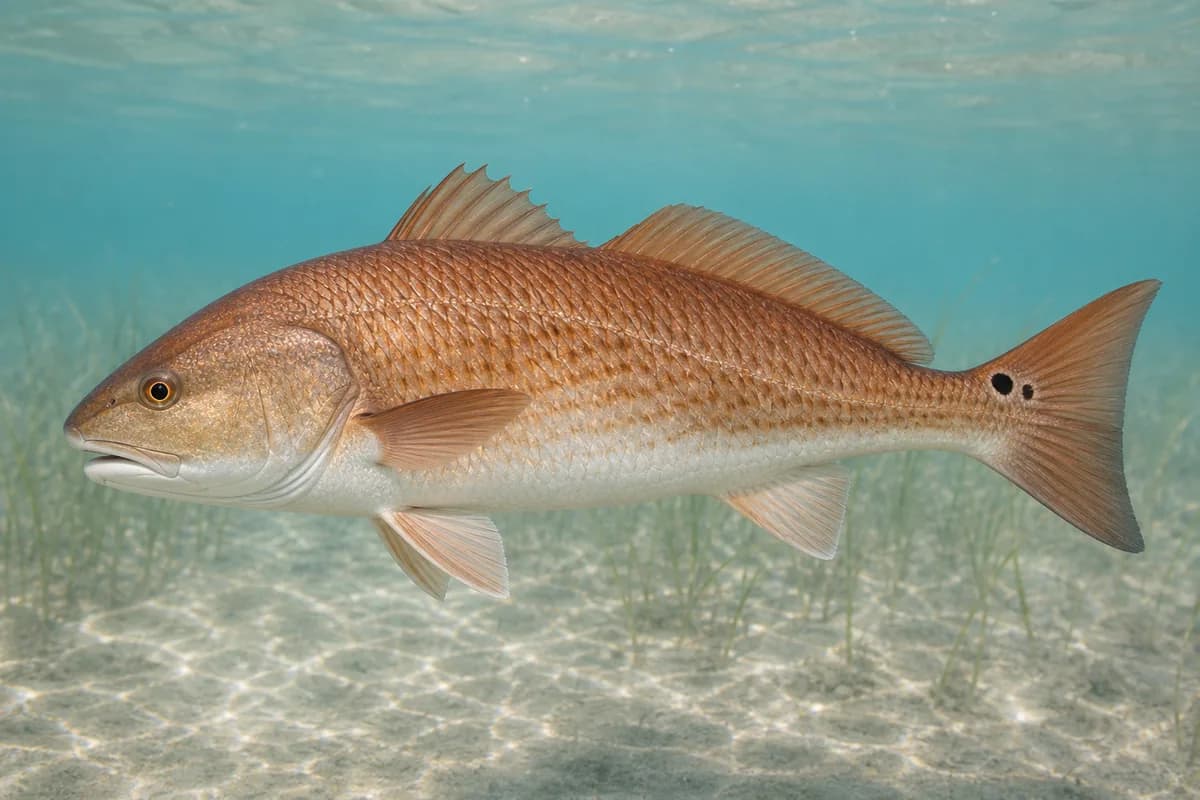
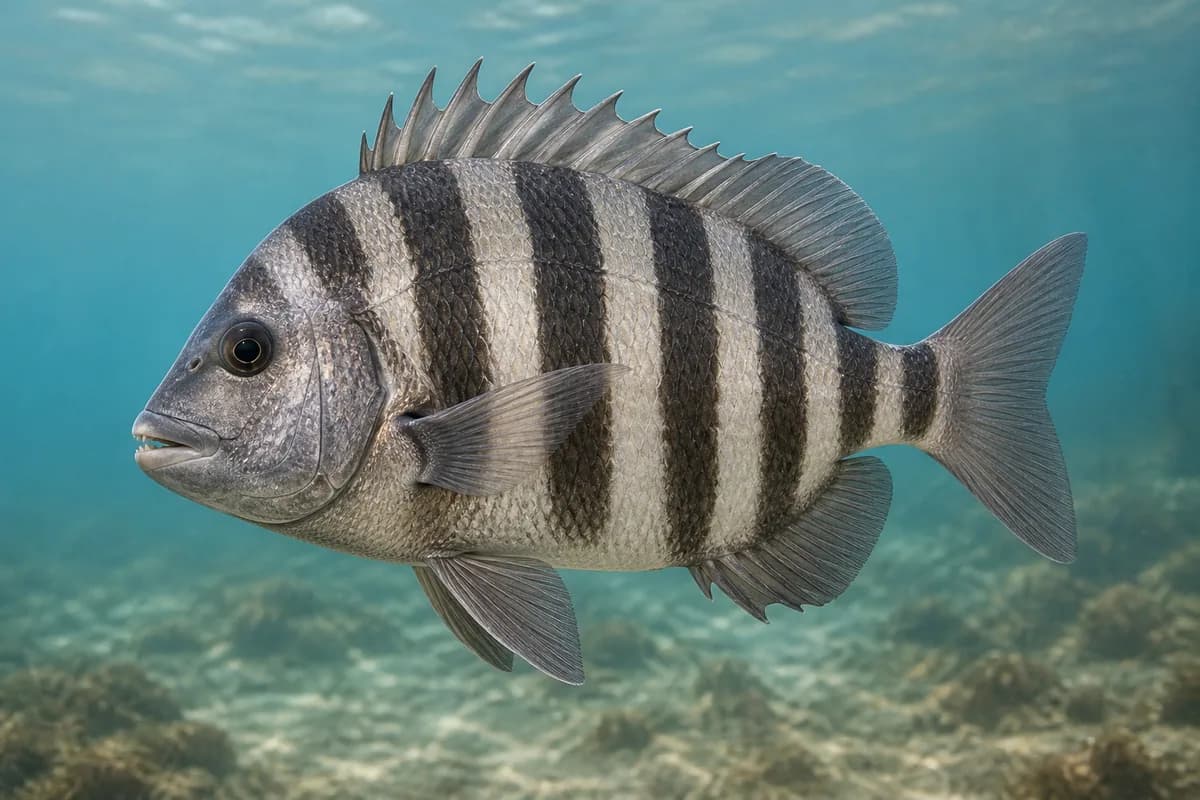
Snook, Spanish mackerel, red drum, and sheepshead are the Jetty Park pier and channel-shore targets. Cape Canaveral is the FWC northern Atlantic snook abundance edge, so snook is listed without a year-round calendar. Listed species are not typical every month. Seasonal notes describe typical presence.
Species images are AI-generated illustrations for visual reference and may simplify natural variation. Fishery records are based on the cited agency and editorial sources. About fish illustrations
Common snook
Primary
Centropomus undecimalis
Typical seasonal window: MAY — SEPTEMBER
Canaveral Port Authority / Visit Space Coast material for the McLouth pier names snook. FWC places Atlantic abundance from about Cape Canaveral south, so this is the northern Atlantic range edge.
Spanish mackerel
Primary
Scomberomorus maculatus
No seasonal pulse known
Named for the McLouth pier.
Red drum
Secondary
Sciaenops ocellatus
Also called Redfish
No seasonal pulse known
Visit Space Coast names drum among pier targets. Role is secondary to snook and mackerel at this port jetty.
Sheepshead
Secondary
Archosargus probatocephalus
No seasonal pulse known
Jetty and pier piling structure class.
Typical Seasonal Targets
Common snook — MAY — SEPTEMBER
Seasonal presence is general guidance and does not indicate current fish activity.
Access, Safety and Regulations
Access
Jetty Park is at 9035 Campground Circle, Cape Canaveral, and is run by the Canaveral Port Authority. Port rules: beach or shore fishing is prohibited in Jetty Park; rod-and-reel only; night fishing from the fishing pier only; a license is not required to fish from the licensed pier, while channel-shoreline fishing requires a license. Confirm current park, pier, and parking postings with Port Canaveral Park Services.
Primary hazards
Port Canaveral is a working cruise and cargo port. Stay out of the channel, watch wakes, and follow posted fishing zones. Lightning, heat, and jetty rock are routine.
Fishery considerations
Port-entrance tide and ship wakes set the fishing context.
Onshore wind stacks the Atlantic mouth.
Regulations
Size limits, seasons, and possession rules change. Verify the current official regulations before fishing.
The map marker represents the cataloged waterbody or monitoring location and may not indicate legal parking or public access. Confirm access through the official information before visiting.