Boston Harbor and Islands is a Massachusetts Bay fishery built around island shorelines, tidal channels, rocky structure, and the transition from protected harbor water to the outer bay. Striped bass and bluefish are the principal supported targets across this varied harbor-and-islands setting.
Active coastal or marine alerts
Small Craft Advisory
Severity: Minor
Small Craft Advisory issued October 20 at 2:16AM EDT until October 21 at 4:00PM EDT by NWS Boston/Norton MA
Begins Oct 20, 2026, 8:00 AM · Ends Oct 21, 2026, 4:00 PM
Inexperienced mariners, especially those operating smaller vessels, should avoid navigating in hazardous conditions.
These values are tidal-current predictions, not real-time observed currents. They describe conditions near this prediction station rather than the entire surrounding coastal area.
Data coverage
This station provides max-current and slack-water events, but not a continuous current-speed timeline.
Tidal-current timing can differ from high and low tide timing.
Fishery Profile
Fishery Overview
Boston Harbor Islands channels and harbor edges
A varied harbor-island fishery where channels, rocky island edges, protected coves, and harbor approaches offer markedly different shore and boat opportunities.
Fishery type
Harbor islands
Channel
Fishing modes
Shore
Inshore boat
Habitat and structure
Island points and rocky shore · Harbor channels and current edges · Protected coves · Sand and mud transitions
Static seasonal guidance · Last reviewed Jul 20, 2026
Not a live bite forecast.
Fishery Targets
Bass and bluefish are the core migratory fishery; tautog and flounder use appropriate structure and softer edges, while mackerel are a cool-water seasonal option.
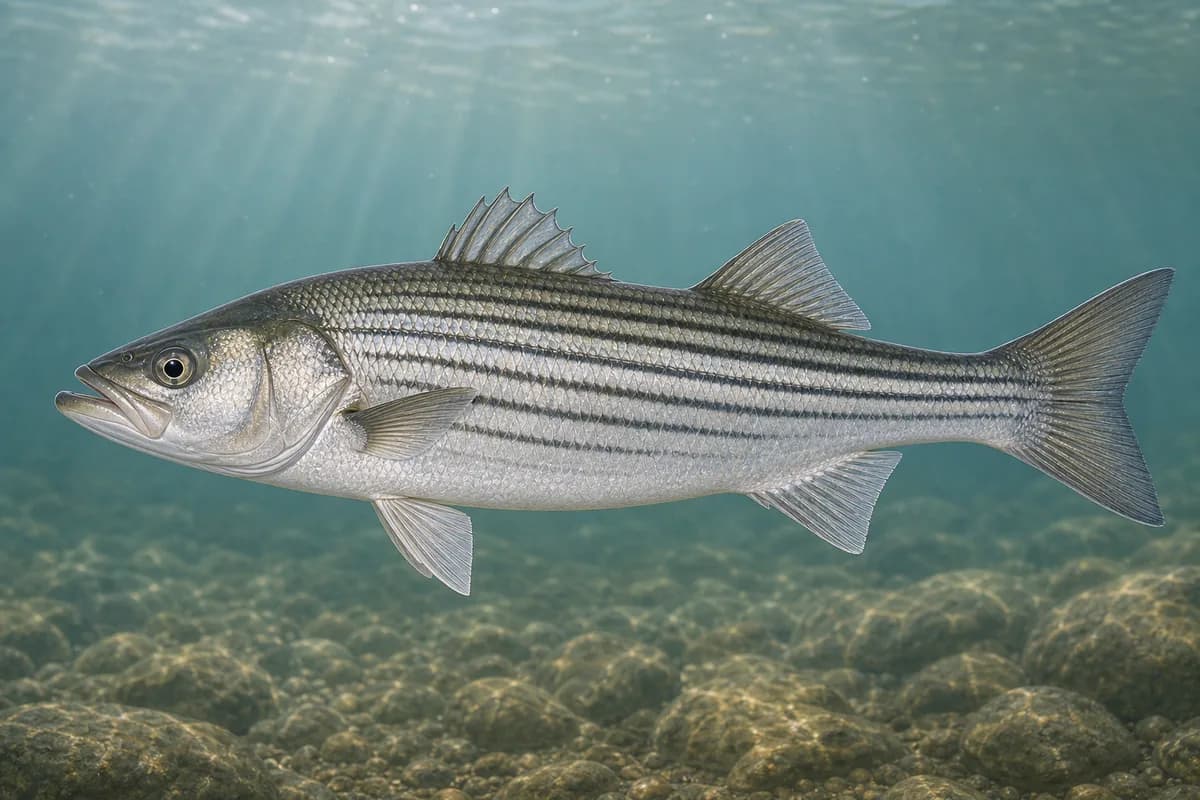
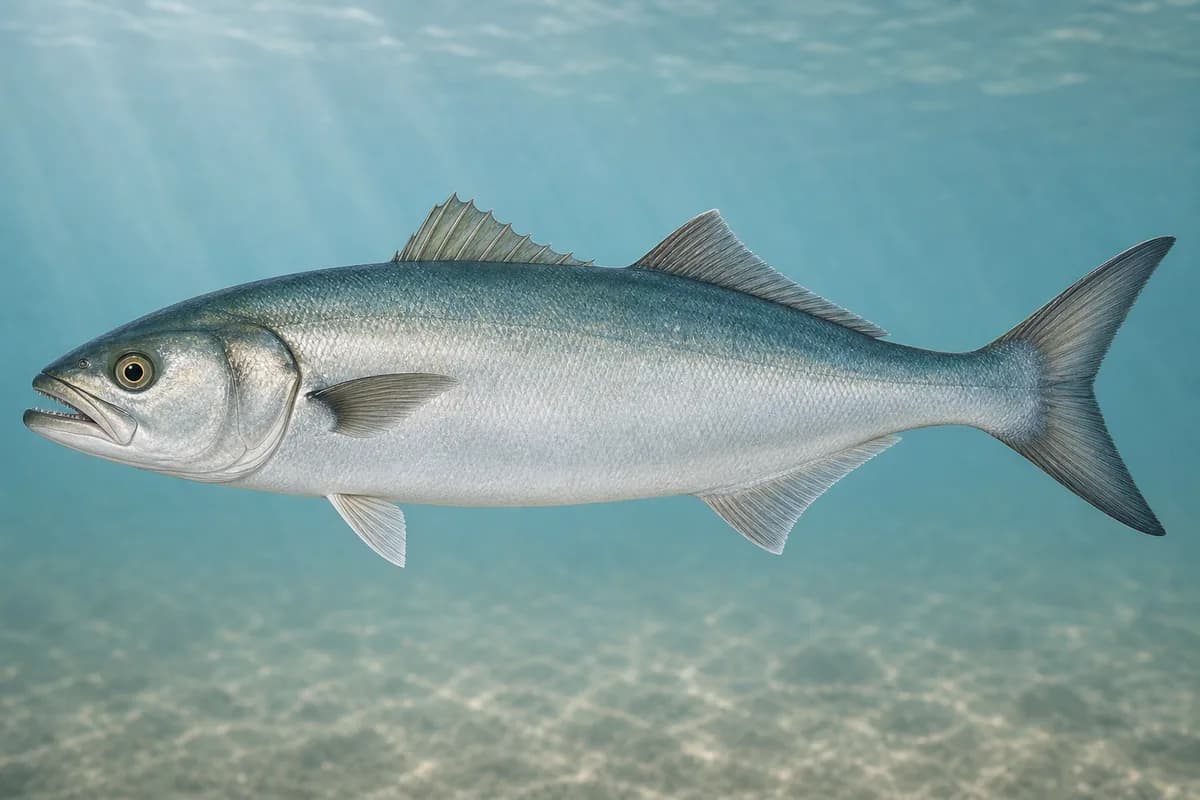
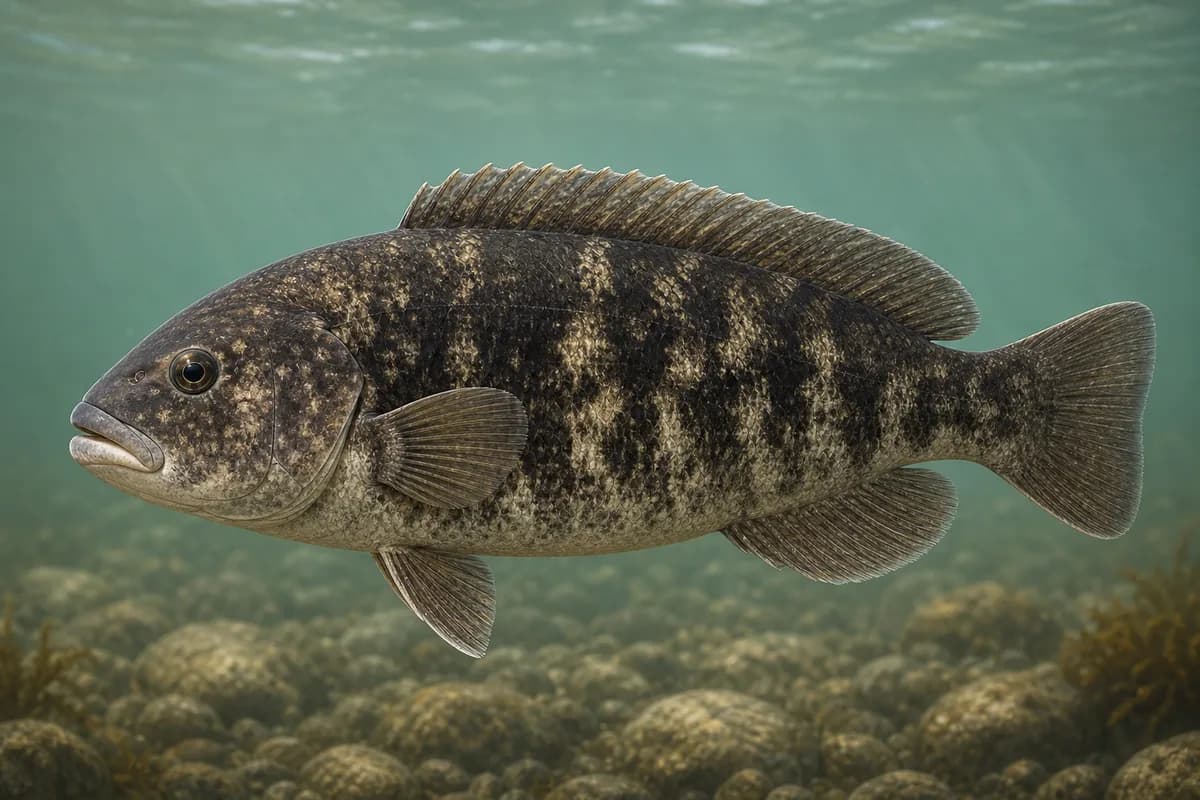
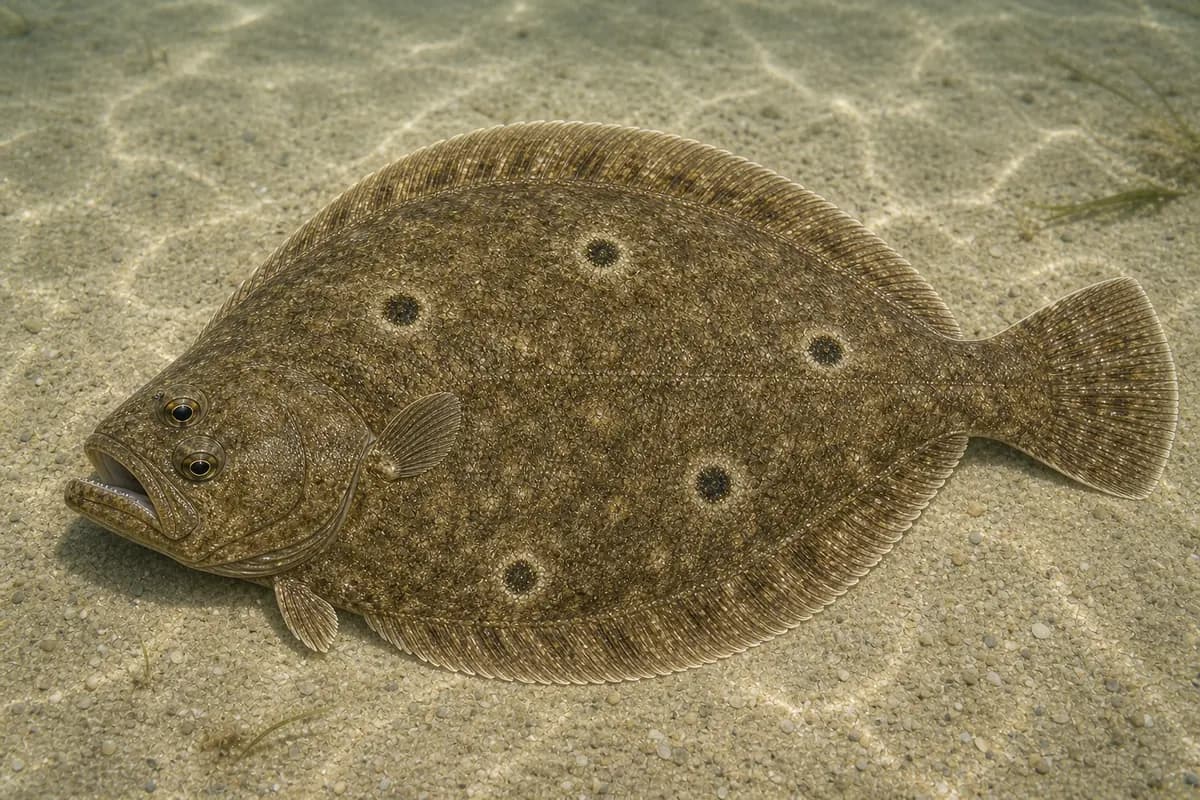
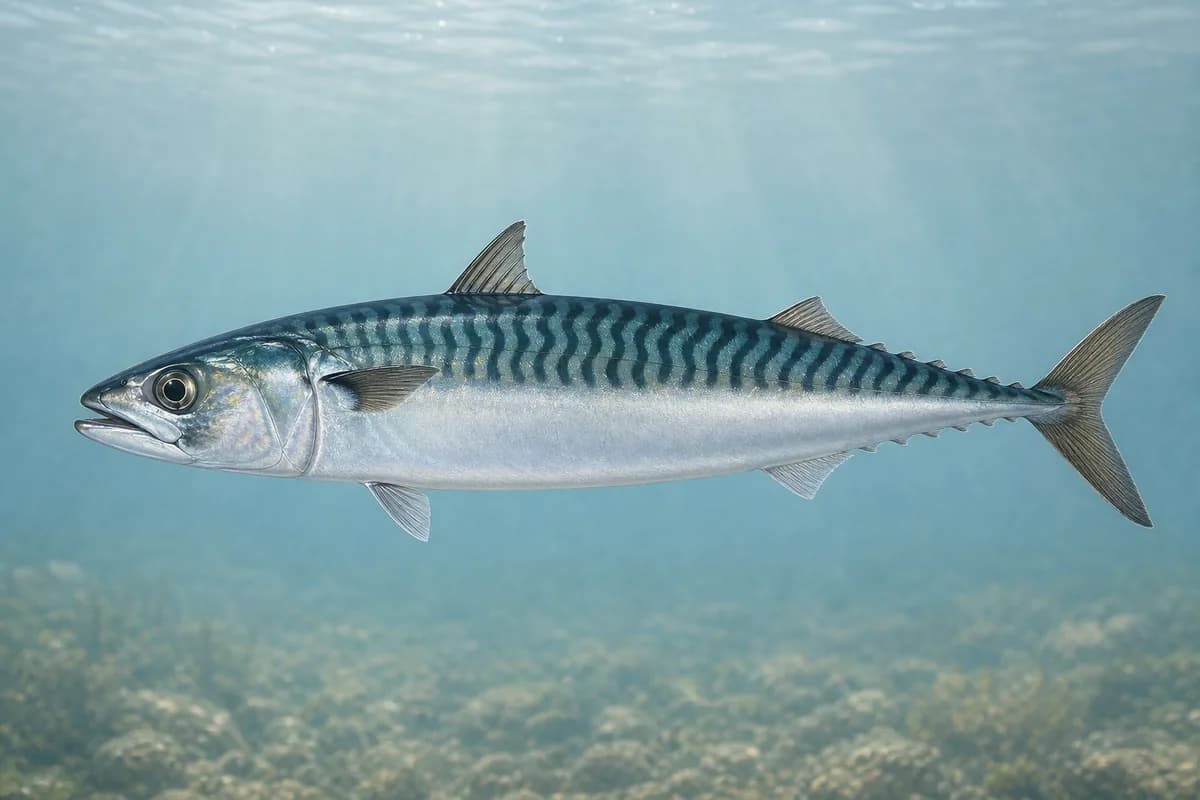
Species images are AI-generated illustrations for visual reference and may simplify natural variation. Fishery records are based on the cited agency and editorial sources. About fish illustrations
Striped bass
Primary
Morone saxatilis
Currently in a typical seasonal window
Typical seasonal window: MAY — NOVEMBER
Bluefish
Primary
Pomatomus saltatrix
Currently in a typical seasonal window
Typical seasonal window: JUNE — OCTOBER
Tautog
Secondary
Tautoga onitis
Currently in a typical seasonal window
Typical seasonal window: APRIL — MAY; SEPTEMBER — NOVEMBER
Summer flounder
Secondary
Paralichthys dentatus
Typical seasonal window: MAY — SEPTEMBER
Atlantic mackerel
Seasonal
Scomber scombrus
Typical seasonal window: APRIL — JUNE
Typical Seasonal Targets
Striped bass — MAY — NOVEMBER
Bluefish — JUNE — OCTOBER
Tautog — APRIL — MAY; SEPTEMBER — NOVEMBER
Summer flounder — MAY — SEPTEMBER
Atlantic mackerel — APRIL — JUNE
Seasonal presence is general guidance and does not indicate current fish activity.
How to Fish Boston Harbor and Islands
Typical October approaches include channel and island-edge casting and cove and structure bottom work for Striped bass and Bluefish.
Channel and island-edge casting
Cast across channel seams and work rocky island edges for migratory predators.
Best for
Striped bass
Bluefish
Modes
Shore
Inshore boat
Setup
Island casting setup
Cove and structure bottom work
Jig rocks or drift softer cove edges for secondary species.
Best for
Tautog
Modes
Shore
Inshore boat
Setup
Cove and structure setup
Common Tackle Setups
Island casting setup
Adaptable shore or boat spinning tackle for plugs and soft plastics.
Rod
7–9 ft medium-heavy spinning rod.
Reel
Saltwater spinning reel.
Main line
Casting braid.
Leader
Rock-resistant leader.
Terminal tackle
Snaps for plugs.
Presentation
Match the presentation to channel flow and island exposure.
Used for
Channel and island-edge casting
Cove and structure setup
Bottom setup for rocks, cove edges, and seasonal mackerel.
Rod
Medium-heavy bottom rod.
Reel
Reel with lifting power.
Main line
Braid for bottom feel.
Leader
Short heavy leader around rock.
Terminal tackle
Jigs sized to depth.
Presentation
Avoid dragging jigs through rough bottom.
Used for
Cove and structure bottom work
Typical October Lures and Flies
Common lure and fly families associated with this month’s techniques.
Pencil-style surface plug
Lure
Striped bass
Bluefish
Surface · Sweep, twitch, pause
Work across current seams and keep the plug on top without excessive splash
Minnow-style swimming plug
Lure
Striped bass
Bluefish
Shallow to midwater · Steady, twitch, pause
Cast across seams and let the plug track with the current
Soft-plastic paddle tail
Lure
Striped bass
Bluefish
Shallow, Midwater, Variable · Steady, twitch, jig
Swim steadily through seams or hop lightly near bottom transitions
Tautog jig
Lure
Tautog
Bottom · Jig, slow
Keep the jig close to structure and move it in short lifts
General seasonal guidance, not a live recommendation, product endorsement, or guarantee of success.
Access, Safety and Regulations
Access
Island access, ferry schedules, park rules, and seasonal closures vary; confirm public landing and fishing access before travel.
Primary hazards
Cold water, changing weather, wakes, and limited return options make a conservative float plan essential.
Fishery considerations
Channel flow can be much stronger than sheltered cove water. Choose locations by both tide stage and exposure.
Island crossings and exposed shorelines can become rough quickly in onshore wind.
Regulations
Size limits, seasons, and possession rules change. Verify the current official regulations before fishing.
The map marker represents the cataloged waterbody or monitoring location and may not indicate legal parking or public access. Confirm access through the official information before visiting.